Caring for your rug
Wool looks after itself when it is treated gently: a little attention each week, air twice a year, and the right reflex when something spills.
The rhythm
 Every weekVacuum
A soft brush head, no beater bar, in the direction of the pile. Power matters less than gentleness.
 Every two monthsAir it
Hang the rug outside, beat it lightly on the back and let it breathe for a few hours.
 Every six monthsRotate
Turn the rug and move the furniture on it. Even wear, no flattened spots, wool that breathes.
 Every two yearsFull clean
A complete wash, at home in warm soapy water or by a specialist, then a full day of sun.
Good to know
A new rug sheds a little wool at first: it is normal and it stops. Vacuum gently, without rubbing, and avoid hard brushes that pull out the softest fibres.
Turn the rug face down and leave it for two or three days. The dust falls out of the pile on its own.
Sprinkle a little baking soda on a dull area, leave it to work, then vacuum. The wool looks brighter and smells clean.
The lightest wools ask for the most care: act on a spill straight away, dilute the soap well and always test on a hidden corner first.
When something spills
 First minute
Blot, never rub. Press a clean cloth on the spill and lift the liquid; rubbing pushes it into the pile.
 Food, coffee, sauce
A little Marseille soap or a wool detergent, well diluted in lukewarm water, worked in gentle regular movements with a soft cloth. Test on a hidden corner first: lifting a stain can leave a halo.
 Stubborn marks
A few drops of white vinegar in lukewarm water, never more, or a fine clay powder such as terre de Sommières left to absorb. For set-in stains: sparkling water on a wrung sponge, then baking soda once dry, then vacuum.
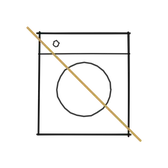 Never
No washing machine, no strong detergent without a test, no damp rug back on the floor: wool that stays wet smells and attracts moths. Detergents only as a last resort.
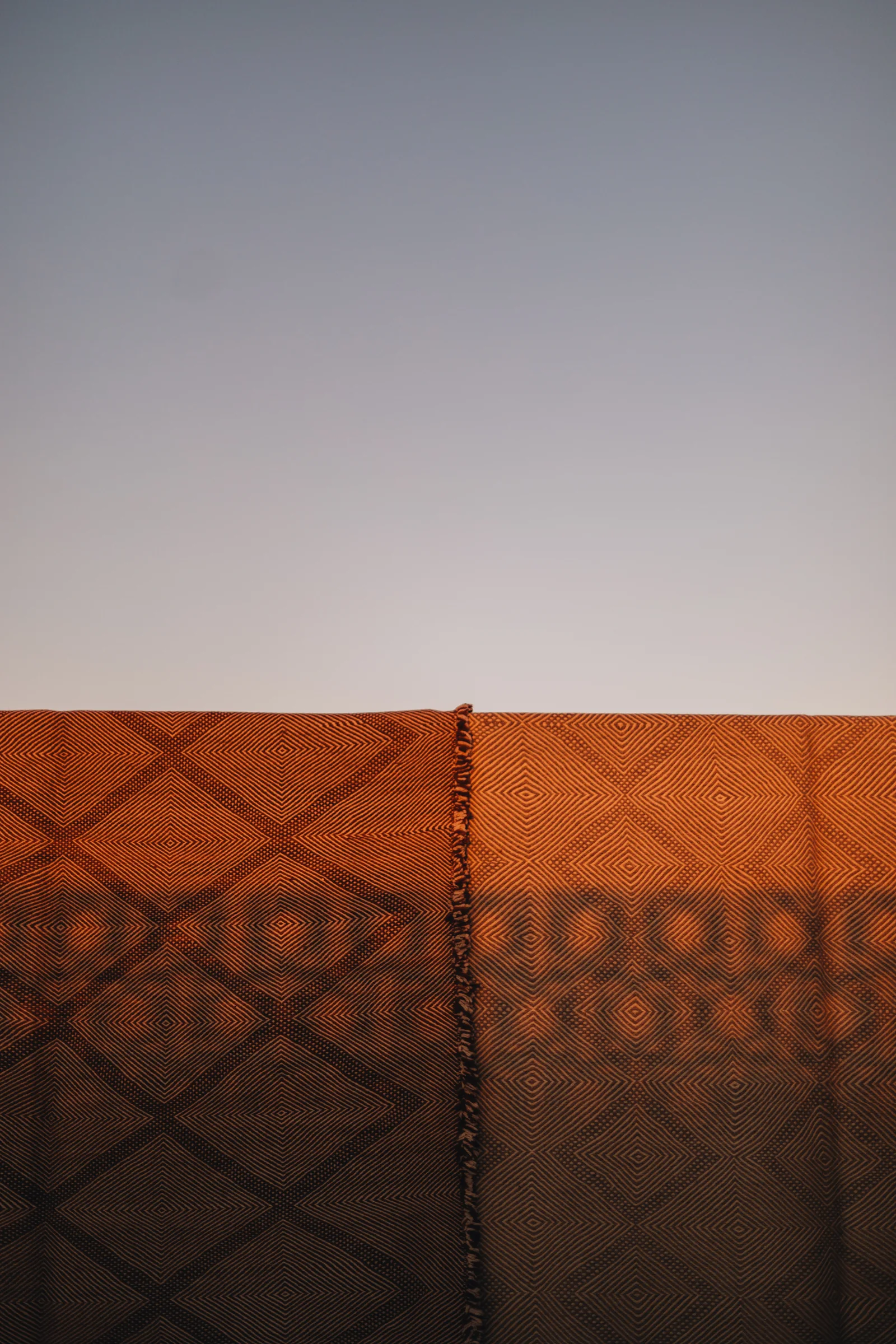
Sun and open air
After any wash, the rug dries flat or hung, outdoors, until it is completely dry to the touch on both sides. Never a radiator, never a tumble dryer. Only then does it go back to its place.
A very dirty rug can take warm soapy water with a few drops of household ammonia, worked gently in every direction with a cloth, then rinsed with clear water and dried the same way.
Caring for your rug
Wool looks after itself when it is treated gently: a little attention each week, air twice a year, and the right reflex when something spills.
The rhythm
Every weekVacuumA soft brush head, no beater bar, in the direction of the pile. Power matters less than gentleness.
Every two monthsAir itHang the rug outside, beat it lightly on the back and let it breathe for a few hours.
Every six monthsRotateTurn the rug and move the furniture on it. Even wear, no flattened spots, wool that breathes.
Every two yearsFull cleanA complete wash, at home in warm soapy water or by a specialist, then a full day of sun.
Good to know
A new rug sheds a little wool at first: it is normal and it stops. Vacuum gently, without rubbing, and avoid hard brushes that pull out the softest fibres.
Turn the rug face down and leave it for two or three days. The dust falls out of the pile on its own.
Sprinkle a little baking soda on a dull area, leave it to work, then vacuum. The wool looks brighter and smells clean.
The lightest wools ask for the most care: act on a spill straight away, dilute the soap well and always test on a hidden corner first.
When something spills
First minuteBlot, never rub. Press a clean cloth on the spill and lift the liquid; rubbing pushes it into the pile.
Food, coffee, sauceA little Marseille soap or a wool detergent, well diluted in lukewarm water, worked in gentle regular movements with a soft cloth. Test on a hidden corner first: lifting a stain can leave a halo.
Stubborn marksA few drops of white vinegar in lukewarm water, never more, or a fine clay powder such as terre de Sommières left to absorb. For set-in stains: sparkling water on a wrung sponge, then baking soda once dry, then vacuum.
NeverNo washing machine, no strong detergent without a test, no damp rug back on the floor: wool that stays wet smells and attracts moths. Detergents only as a last resort.
Sun and open air
After any wash, the rug dries flat or hung, outdoors, until it is completely dry to the touch on both sides. Never a radiator, never a tumble dryer. Only then does it go back to its place.
A very dirty rug can take warm soapy water with a few drops of household ammonia, worked gently in every direction with a cloth, then rinsed with clear water and dried the same way.
Further reading: Clean your Berber carpet: 9 things to know