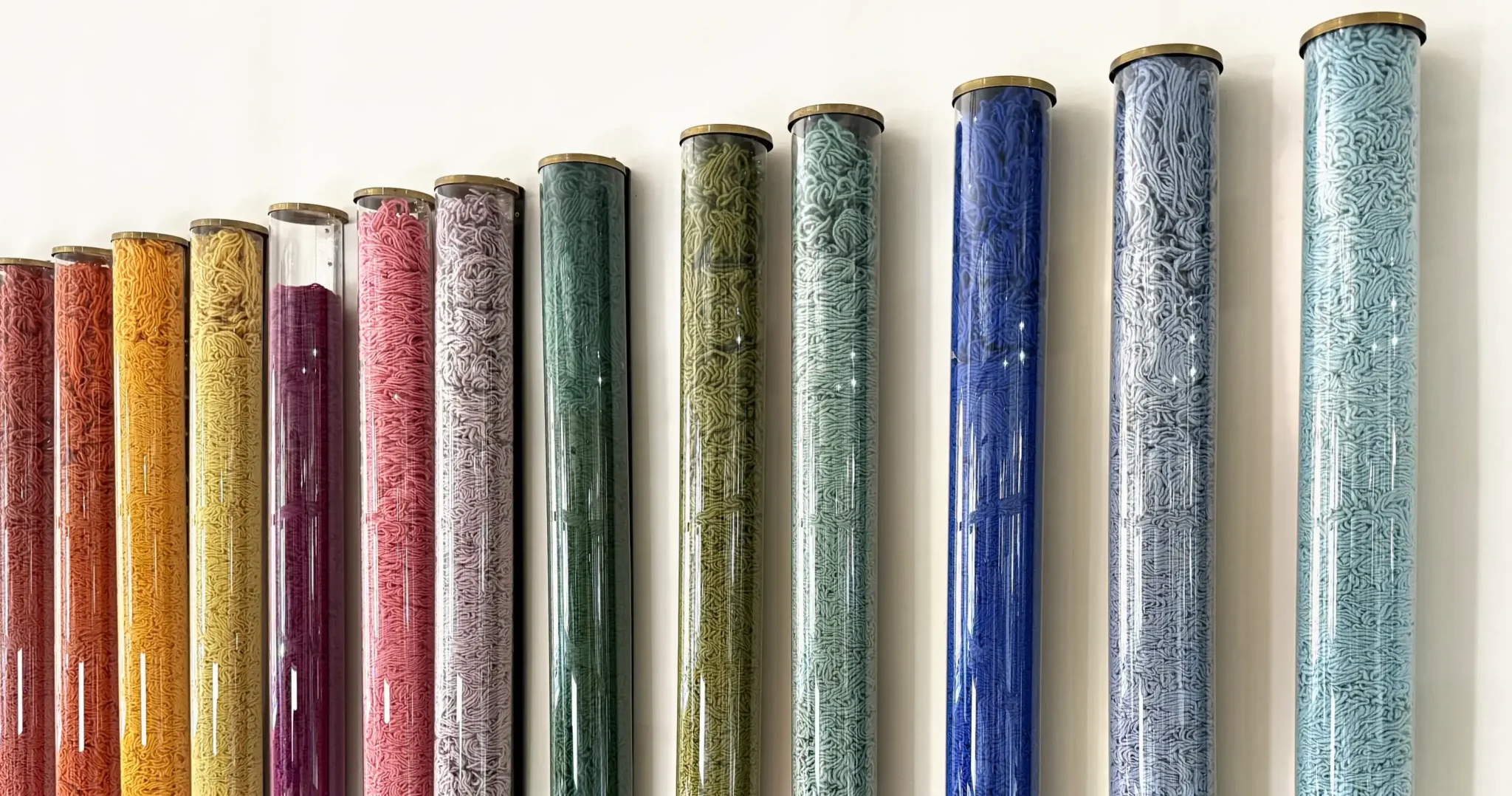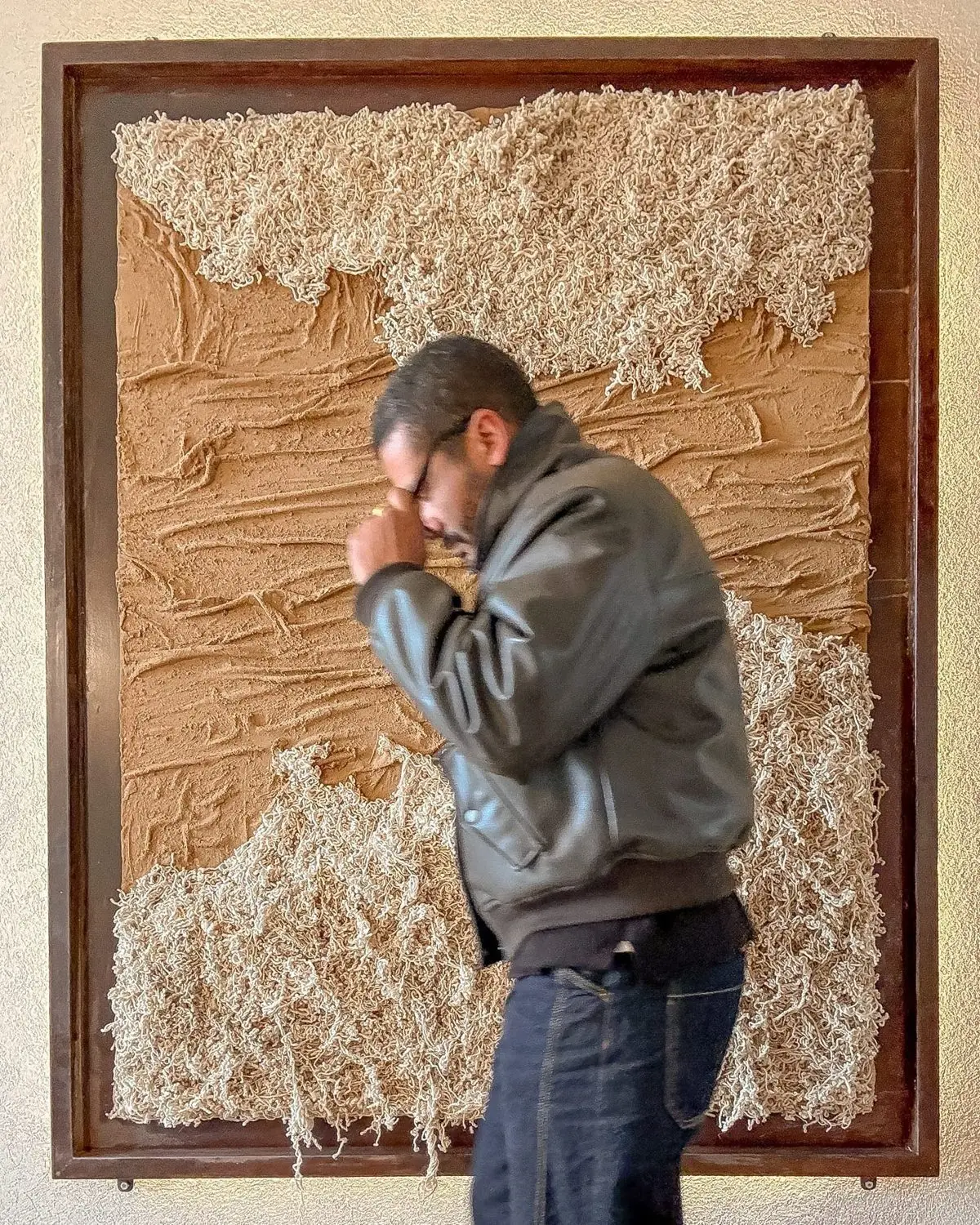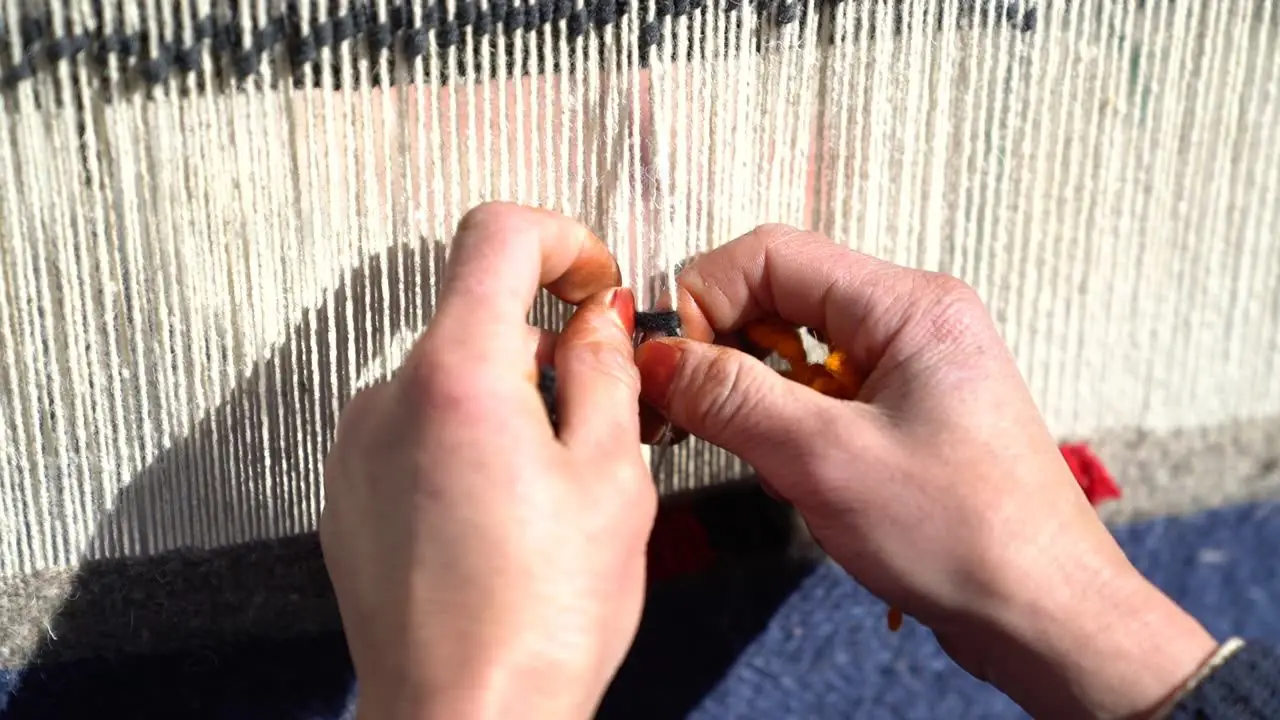
In Morocco, the rug is first of all women’s work. In the Siroua valley, between the High and Anti-Atlas, as in the villages of the Middle Atlas, women weave the rugs now known worldwide: Beni Ouarain, Azilal, kilims, boucherouite.
Some techniques are now almost unique to Morocco: the Berber knot of hand-knotted rugs, brocading, and weaving a garment in a single piece on the loom, as for some burnouses.
Weaving in Morocco
Weaving is one of the oldest crafts in the country. It clothes bodies, covers floors and walls, divides space inside the tent. In the Atlas mountains as in the medinas, it is still done at home, in cooperatives or in workshops.
Wool is its main material, often called “blessed”: a gift, to be worked with care.
Women’s work
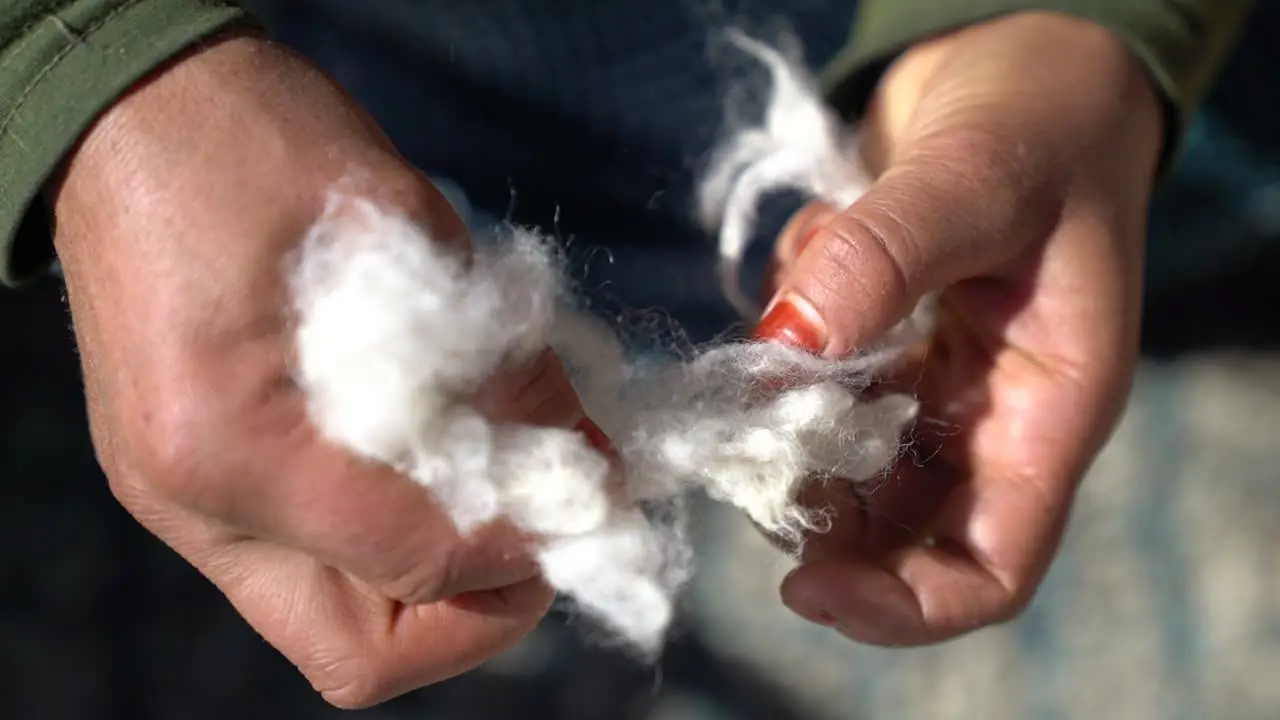
The craft passes from mother to daughter. After shearing, women do everything else: sorting, washing, carding, spinning, dyeing, storing the wool, setting up the loom, weaving.
This work long went unrecorded and poorly paid. Since the 2000s many weavers’ cooperatives have been set up, often at the women’s own initiative, with support from Moroccan and international organisations. There they handle the whole chain, from wool to sale.
Women weave for the home, for their daughters’ weddings, for sale. The loom is called “azetta” in Tamazight.
Passing it on
Girls learn by watching, then by weaving beside their mothers. The rug, “tazerbit”, is part of the bride’s trousseau.
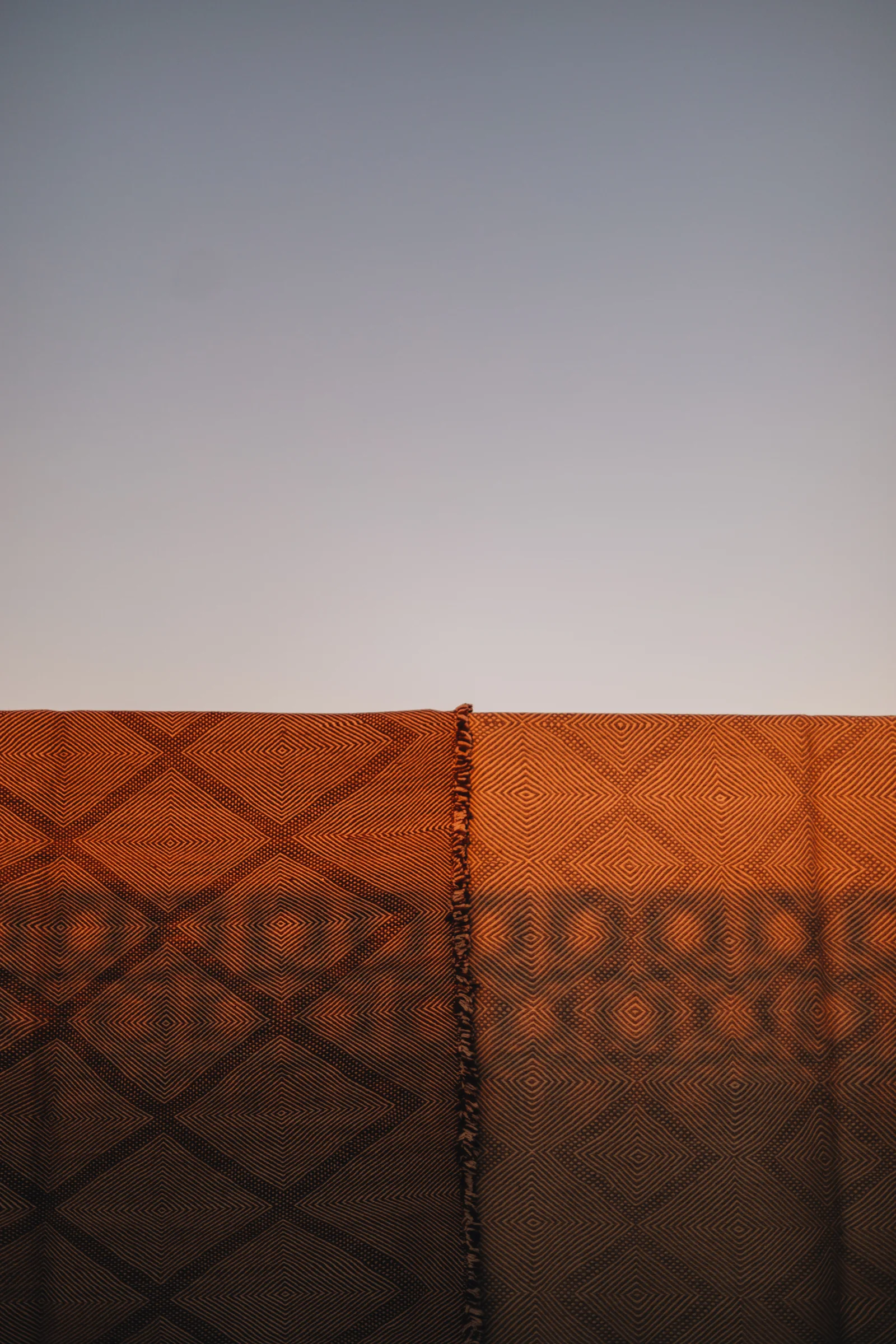
The hanbel, a flat-woven wool piece where warp and weft simply cross, remains an essential object of the house in the Middle and High Atlas. Its motifs, like those of knotted rugs, carry meaning: see patterns and signs in Berber crafts.
Working the wool
Shearing
It takes place in spring. Men shear the sheep with shears and buy the fleeces. Shearing is a collective moment, with prayers for baraka, blessing; village mutual help has a name, “tiwizi”.
Washing
Then the women’s cycle begins. The wool is sorted, then washed: boiled with soapwort to whiten it, or beaten and rinsed in the river in a wicker basket that filters the water. It dries in the sun, then waits in the house store until winter’s end.
Carding and spinning
Seated on the ground, women card the short, curly fibres between two boards set with spikes: this yarn becomes the weft. Long fibres are combed for the stronger warp. Then comes spinning, on a spindle.
The loom
The loom stands upright. The warp is set, and weaving can begin, following the design the weaver has in mind. Combs, cards and spindles are often family objects.
Embroiderers and weavers
Alongside weaving, embroidery is the other great textile craft of Moroccan women. It is mostly urban: each city has its stitch and its colours. Fez embroidery, monochrome and identical on both sides; Rabat’s, in brightly coloured silk; those of Salé, Meknes, Tetouan and Chefchaouen. In the countryside embroidery decorates clothing, and the sequins of the handira, the woven wedding cape of the Middle Atlas, are sewn by hand.
Further reading: the Beni Ouarain rug and the Azilal rug.
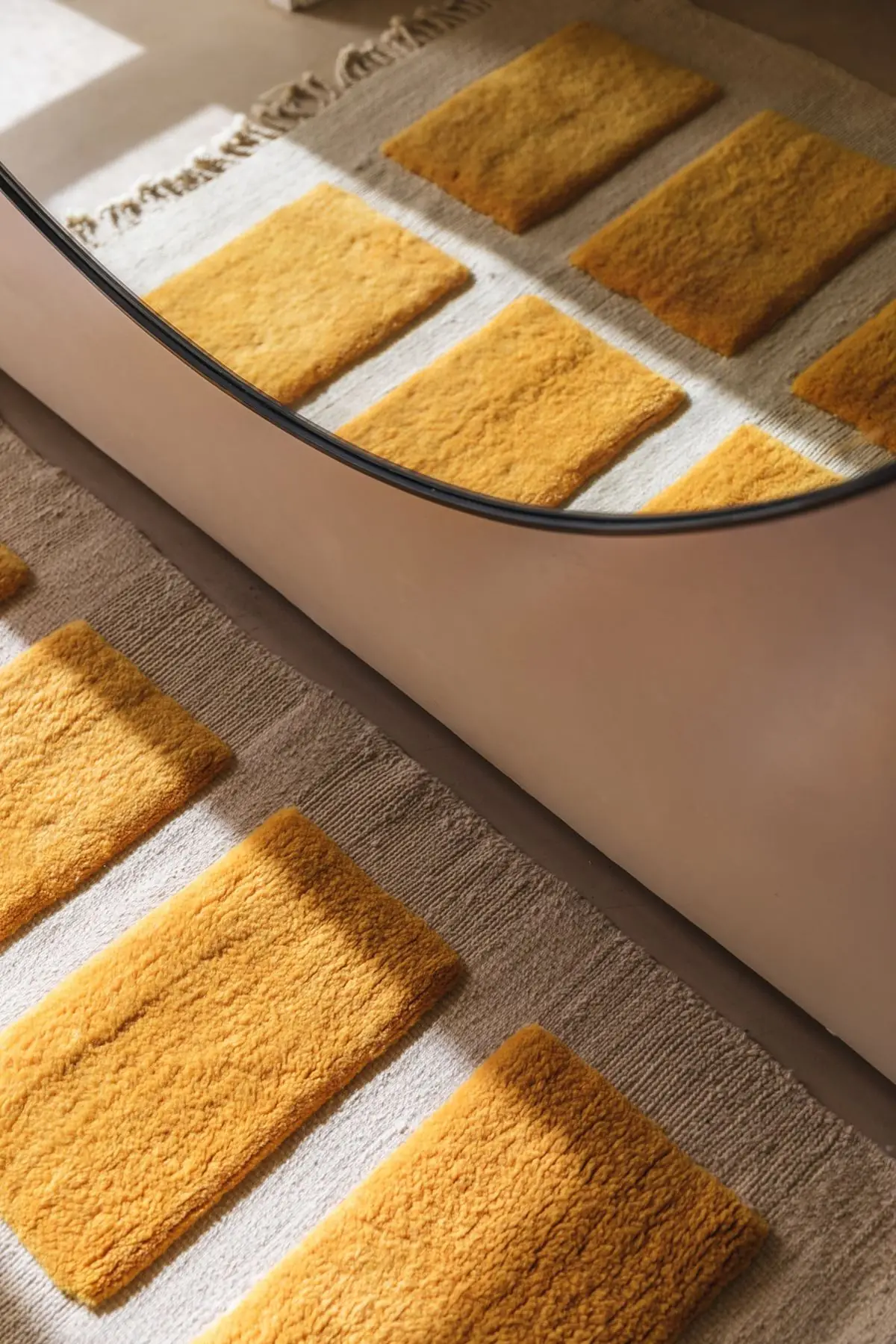
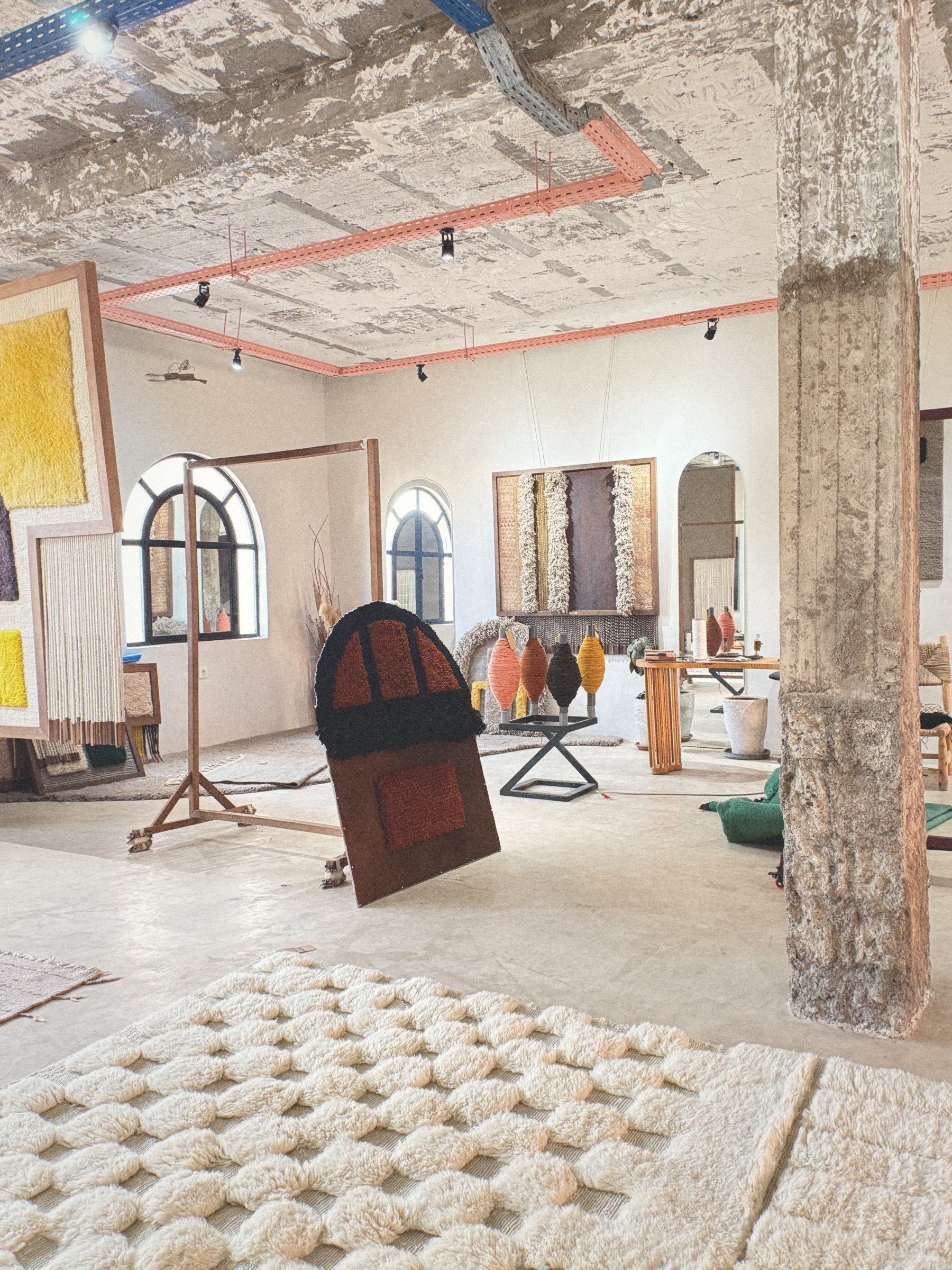
Rugs designed by the Tribaliste studio are made in Morocco. How they are made, from drawing to delivery, is on the Production page.