In the Berber tradition of the Middle Atlas, the handira is the wool cape a bride wears over her shoulders on her wedding day. It then covers the young couple’s bed. Woven by hand over several weeks, it is a precious object, kept for life.
The Moroccan handira, a wedding cape
The mother and the women of the family weave the handira for the bride-to-be. It goes with her through the ceremony, then becomes a blanket. It is found in Middle Atlas families, among the Zemmour and the Beni M’guild in particular.
Patterns and colours
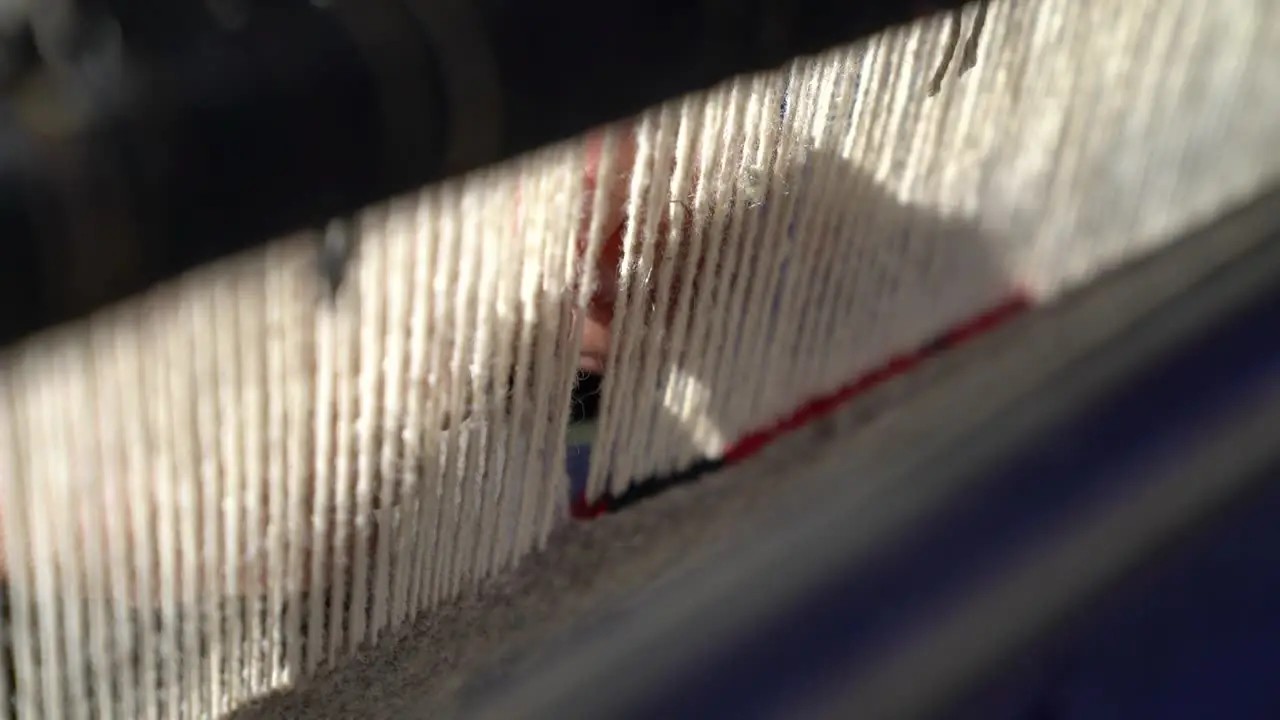
The handira is flat-woven in white or cream wool. It is striped with bands and geometric motifs, and above all sewn with small silver sequins, one by one, that catch the light as the bride walks. Its long fringes are sometimes knotted into tassels.
In the High Atlas, wedding capes are often dyed red, with motifs specific to each tribe.
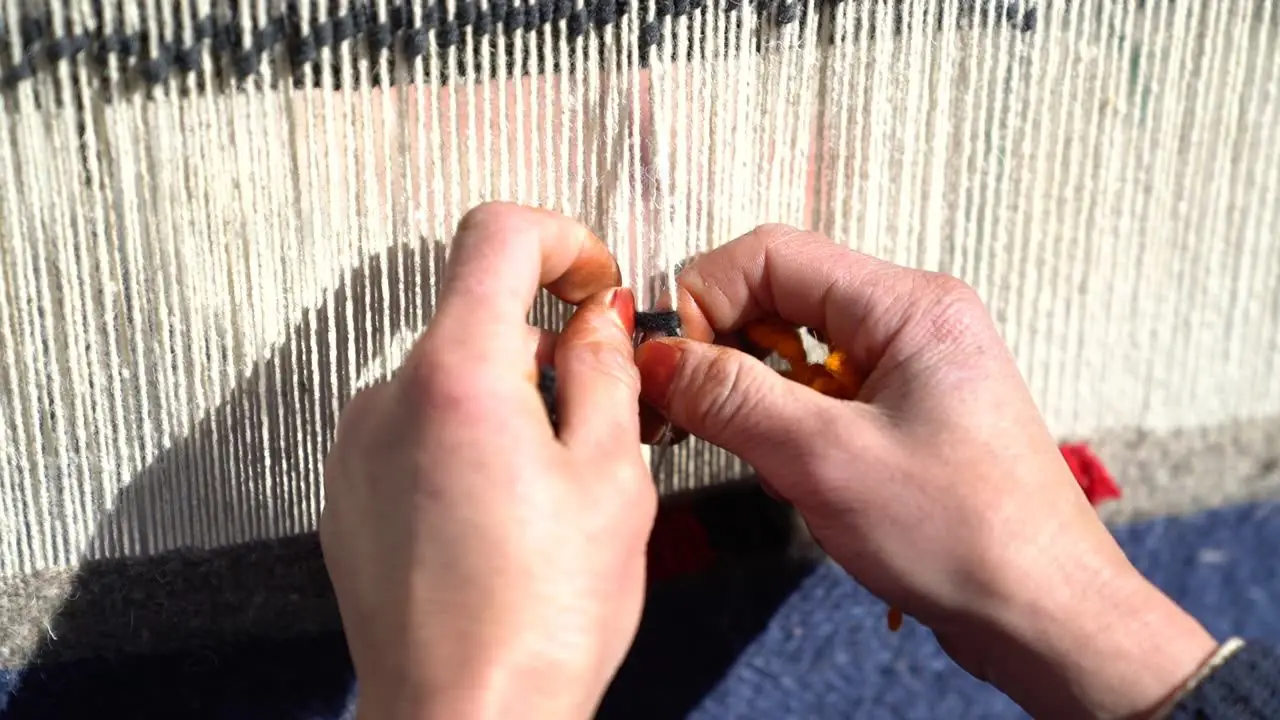
As with rugs, the motifs come from the weaver’s imagination. How these women work is covered in Moroccan craftsmanship in all its forms.
The handira at home
Today the handira is used as a throw, a bedspread, a sofa blanket or a wall hanging, and is sometimes made into cushions or poufs. Its white wool and quiet sequins bring light to a calm interior.
Another Moroccan textile: vegetable silk (sabra). The materials the studio uses are on the Materials page.