Designed in Marrakesh, carved by hand in Morocco
Designed in Marrakesh and made to order in Morocco, every Tribaliste rug begins with a drawing in our studio. Working exclusively with wool, we explore two distinct techniques: sculpted pile, where patterns emerge through depth and relief, and flatweave, where the design becomes part of the woven structure. From the first sketch to the final detail, each piece reflects our approach to contemporary textile design.
- Material
- 100% wool
- Surfaces
- Carved pile · Flatweave
- Colourways
- 24 pile · 20 flatweave
- Designed in
- Marrakesh · made in Morocco
- Lead time
- 10–12 weeks up to 3×2 m, 12–14 weeks above
- Sizes
- US standard · custom
One material, chosen for how it lasts
Wool is the studio’s material. It springs back after a chair, holds colour in the sun, resists dirt by nature and warms a room in winter. The wool comes from the Middle Atlas, in Morocco.
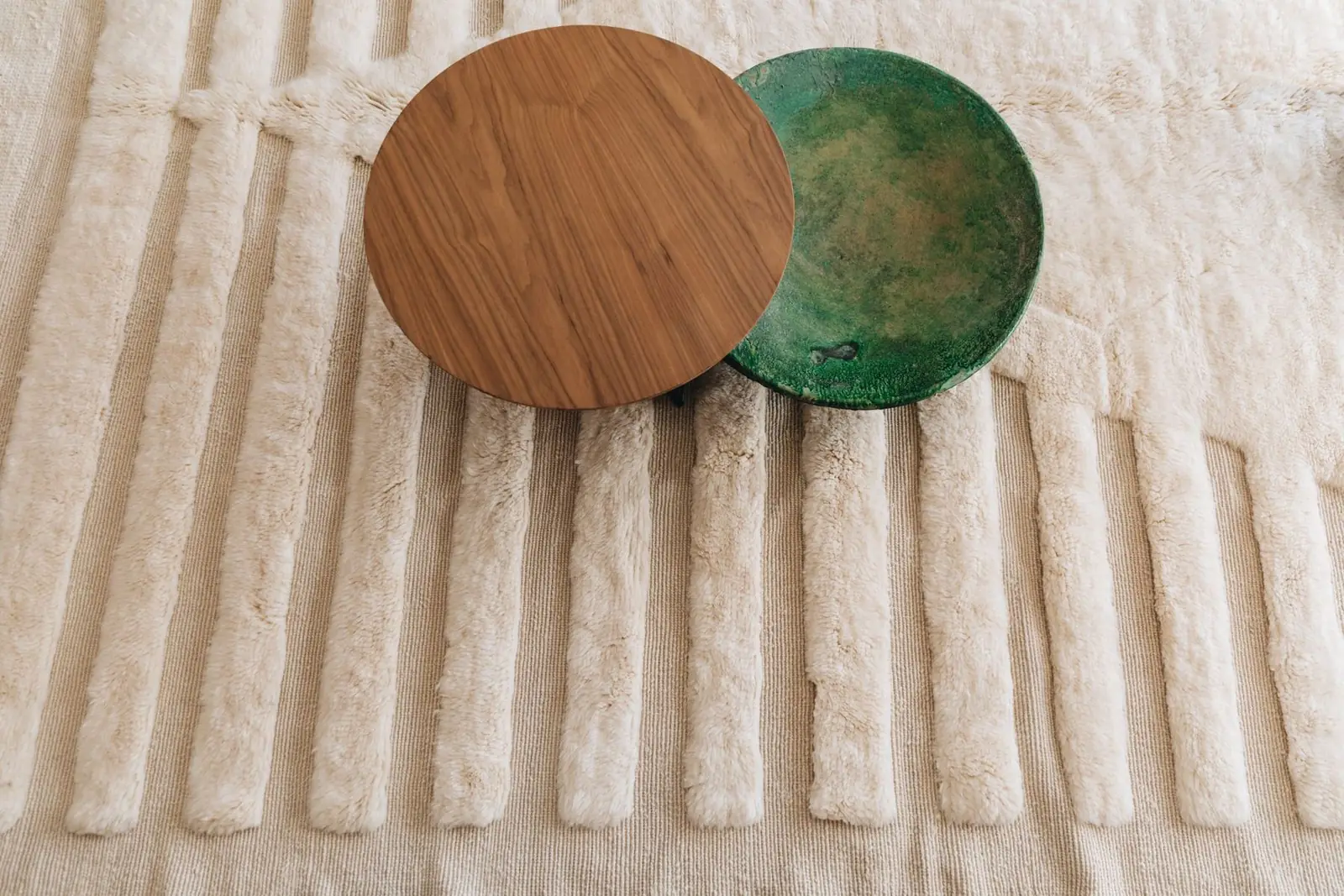
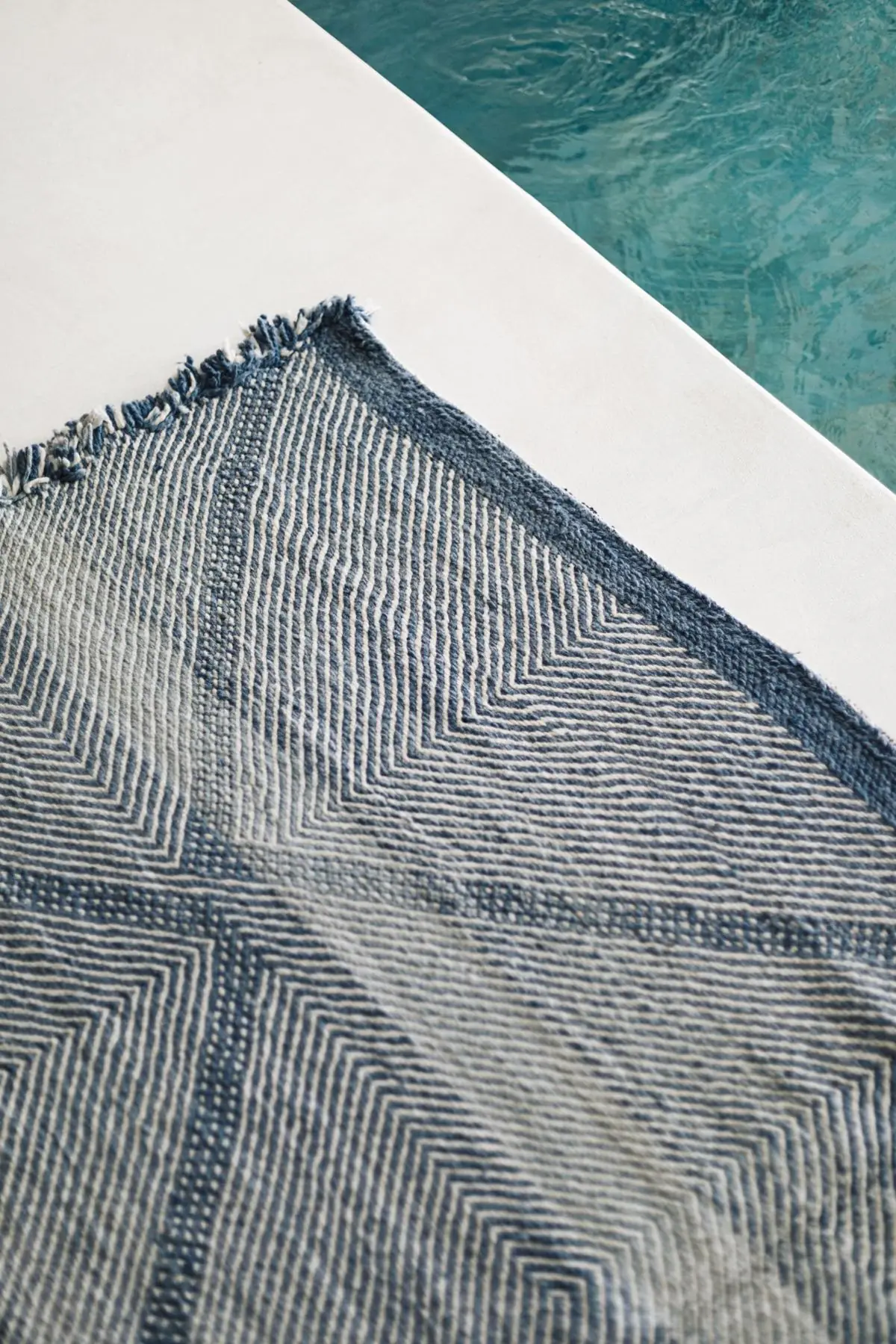
Two surfaces come from the same fibre: a dense pile, cut by hand to different heights, and a flat, tight weave with no pile. The drawing decides which one a piece needs.
How to care for wool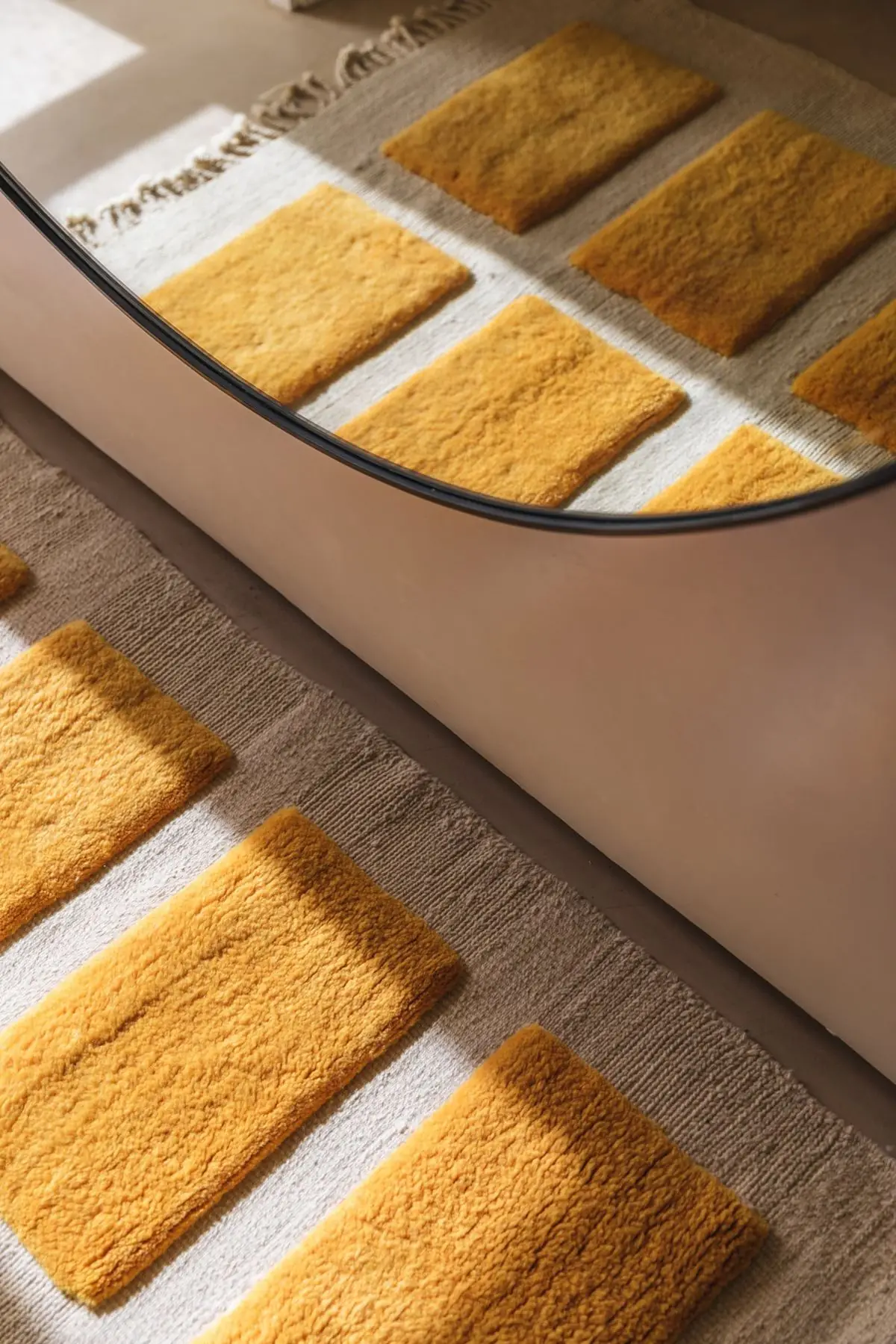
Two surfaces
Carved pile
Flatweave
Both surfaces are made to order in standard sizes or custom dimensions, in any colourway of the studio palette.
From drawing to piece
 01
Drawing
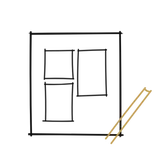
Every piece starts as a drawing made at the studio: lines, blocks and paths laid out like a floor plan. For a project, the drawing is made on your plans, at the size of the room.
 02
Colour
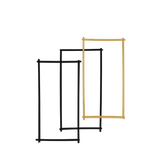
The colourway is chosen from the studio palette or matched to your materials. Wool samples are sent before anything is made.
 03
Making
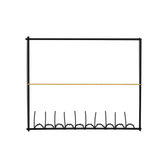
The wool is worked by hand on a loom, line by line, following the drawing. A standard size takes 10 to 12 weeks of work up to 3×2 m, 12 to 14 weeks above.
 04
Carving
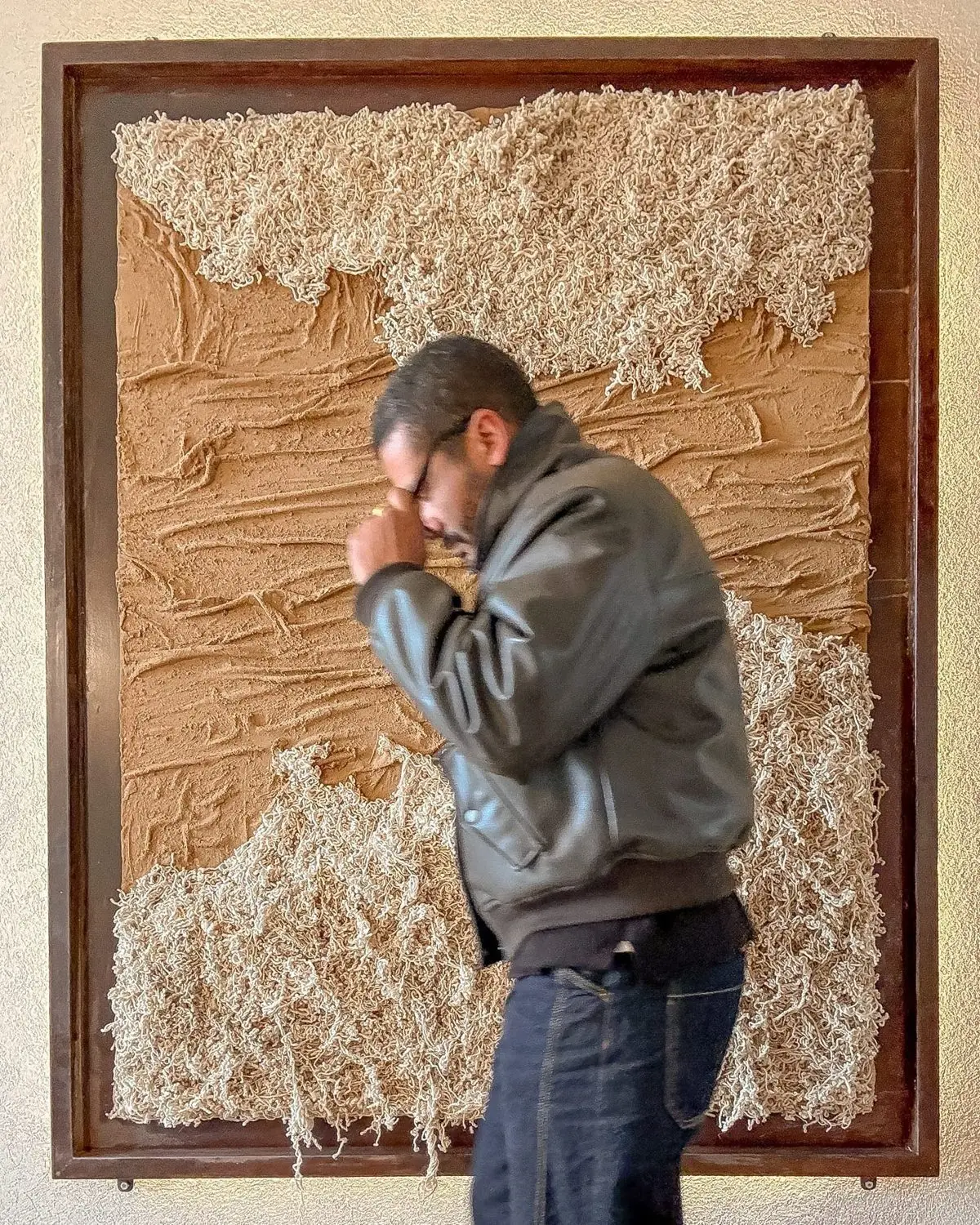
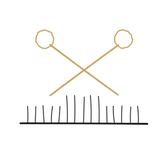
Each sculpted rug is carefully carved by hand, revealing patterns through the depth and texture of the wool. The design takes shape not only through colour, but through relief, shadow and dimension.
 05
Finishing
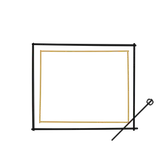
Backing, edges and shearing. The pile is levelled by hand; the edges are bound.
 06
Checking
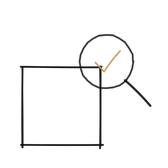
Each piece is measured, checked and photographed at the studio before it is rolled and shipped. You receive the photo with the tracking.
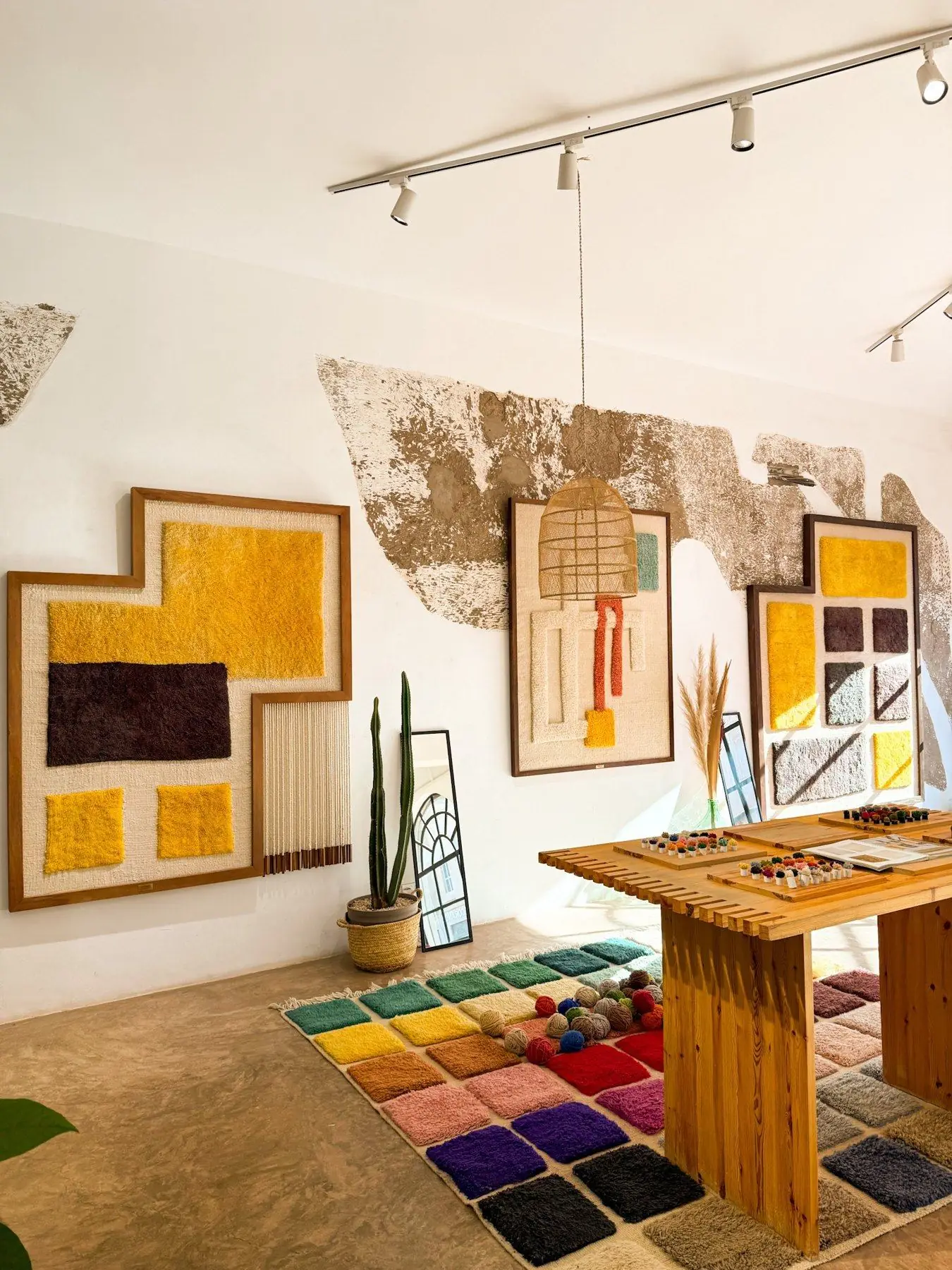
44 colourways, and yours
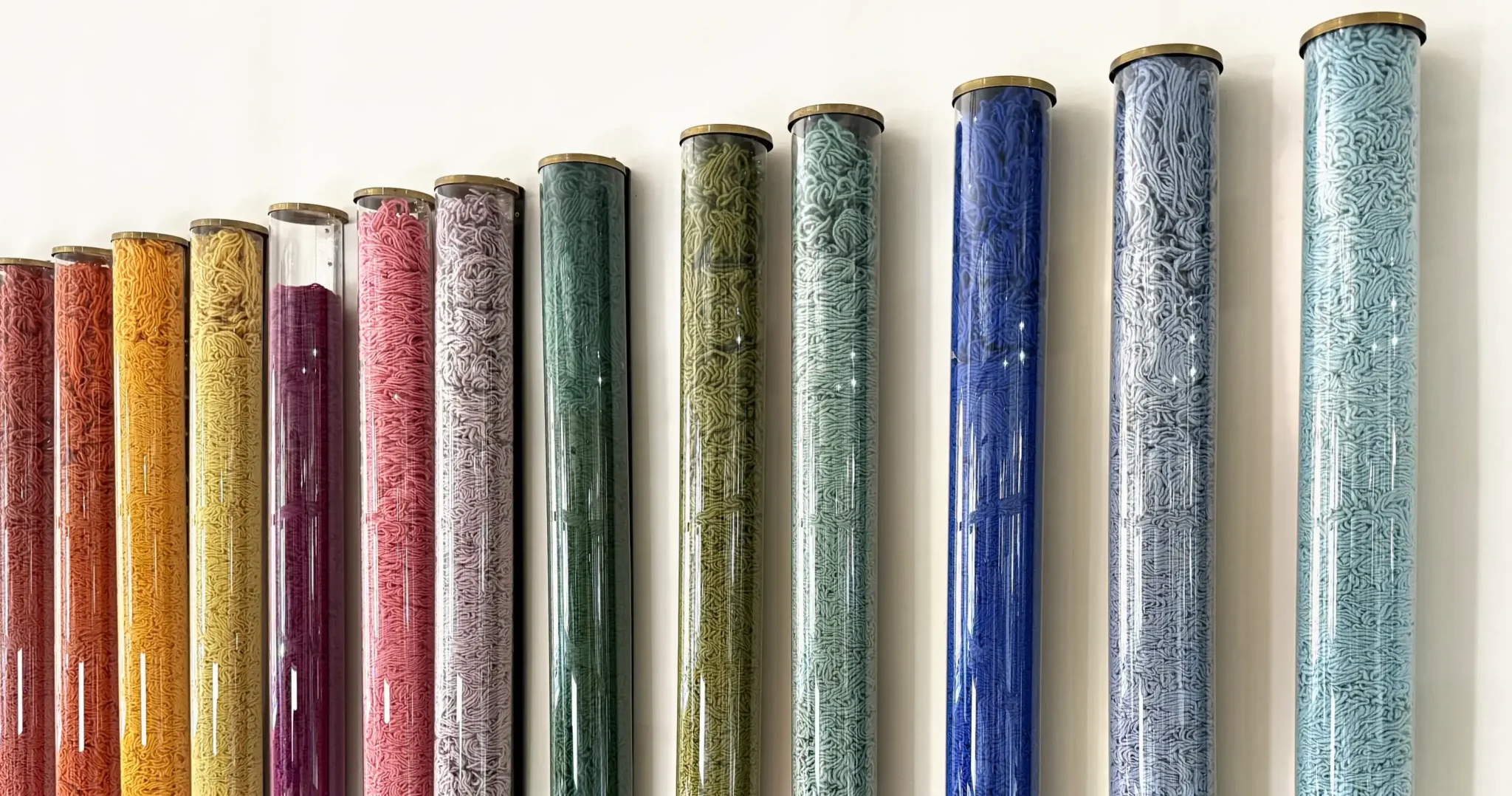
The studio palette: 24 colourways for the pile, 20 for the flatweave, kept on the wall of The Lab and in the material book sent to studios. Any colour of your project can be matched and sampled.
Request the material bookDesigned to be walked on for decades
Designed to be lived with, our rugs combine natural resilience with everyday comfort. Sculpted wool pile retains its softness and recovers from daily use, while flatweaves offer lasting durability in high-traffic spaces. Both are made to be enjoyed, cared for and lived on.
Each piece is checked and photographed before shipping. A piece that needs a repair comes back to the studio.
Questions on the making
Wool. The wool comes from the Middle Atlas, in Morocco. Wool is used for its resilience: the pile springs back, the colours hold, and the piece ages well in a busy room.
Designed in Marrakesh, carved by hand in Morocco
Designed in Marrakesh and made to order in Morocco, every Tribaliste rug begins with a drawing in our studio. Working exclusively with wool, we explore two distinct techniques: sculpted pile, where patterns emerge through depth and relief, and flatweave, where the design becomes part of the woven structure. From the first sketch to the final detail, each piece reflects our approach to contemporary textile design.
- Material
- 100% wool
- Surfaces
- Carved pile · Flatweave
- Colourways
- 24 pile · 20 flatweave
- Designed in
- Marrakesh · made in Morocco
- Lead time
- 10–12 weeks up to 3×2 m, 12–14 weeks above
- Sizes
- US standard · custom
One material, chosen for how it lasts
Wool is the studio’s material. It springs back after a chair, holds colour in the sun, resists dirt by nature and warms a room in winter. The wool comes from the Middle Atlas, in Morocco.
Two surfaces come from the same fibre: a dense pile, cut by hand to different heights, and a flat, tight weave with no pile. The drawing decides which one a piece needs.
How to care for woolTwo surfaces
Carved pile
Both surfaces are made to order in standard sizes or custom dimensions, in any colourway of the studio palette.
From drawing to piece
01Drawing
Every piece starts as a drawing made at the studio: lines, blocks and paths laid out like a floor plan. For a project, the drawing is made on your plans, at the size of the room.
02Colour
The colourway is chosen from the studio palette or matched to your materials. Wool samples are sent before anything is made.
03Making
The wool is worked by hand on a loom, line by line, following the drawing. A standard size takes 10 to 12 weeks of work up to 3×2 m, 12 to 14 weeks above.
04Carving
Each sculpted rug is carefully carved by hand, revealing patterns through the depth and texture of the wool. The design takes shape not only through colour, but through relief, shadow and dimension.
05Finishing
Backing, edges and shearing. The pile is levelled by hand; the edges are bound.
06Checking
Each piece is measured, checked and photographed at the studio before it is rolled and shipped. You receive the photo with the tracking.
44 colourways, and yours
The studio palette: 24 colourways for the pile, 20 for the flatweave, kept on the wall of The Lab and in the material book sent to studios. Any colour of your project can be matched and sampled.
Request the material bookDesigned to be walked on for decades
Designed to be lived with, our rugs combine natural resilience with everyday comfort. Sculpted wool pile retains its softness and recovers from daily use, while flatweaves offer lasting durability in high-traffic spaces. Both are made to be enjoyed, cared for and lived on.
Each piece is checked and photographed before shipping. A piece that needs a repair comes back to the studio.
Questions on the making
Wool. The wool comes from the Middle Atlas, in Morocco. Wool is used for its resilience: the pile springs back, the colours hold, and the piece ages well in a busy room.
Further reading: Moroccan craftsmanship in all its forms · The work of the Berber weaver · Patterns and signs in Berber crafts