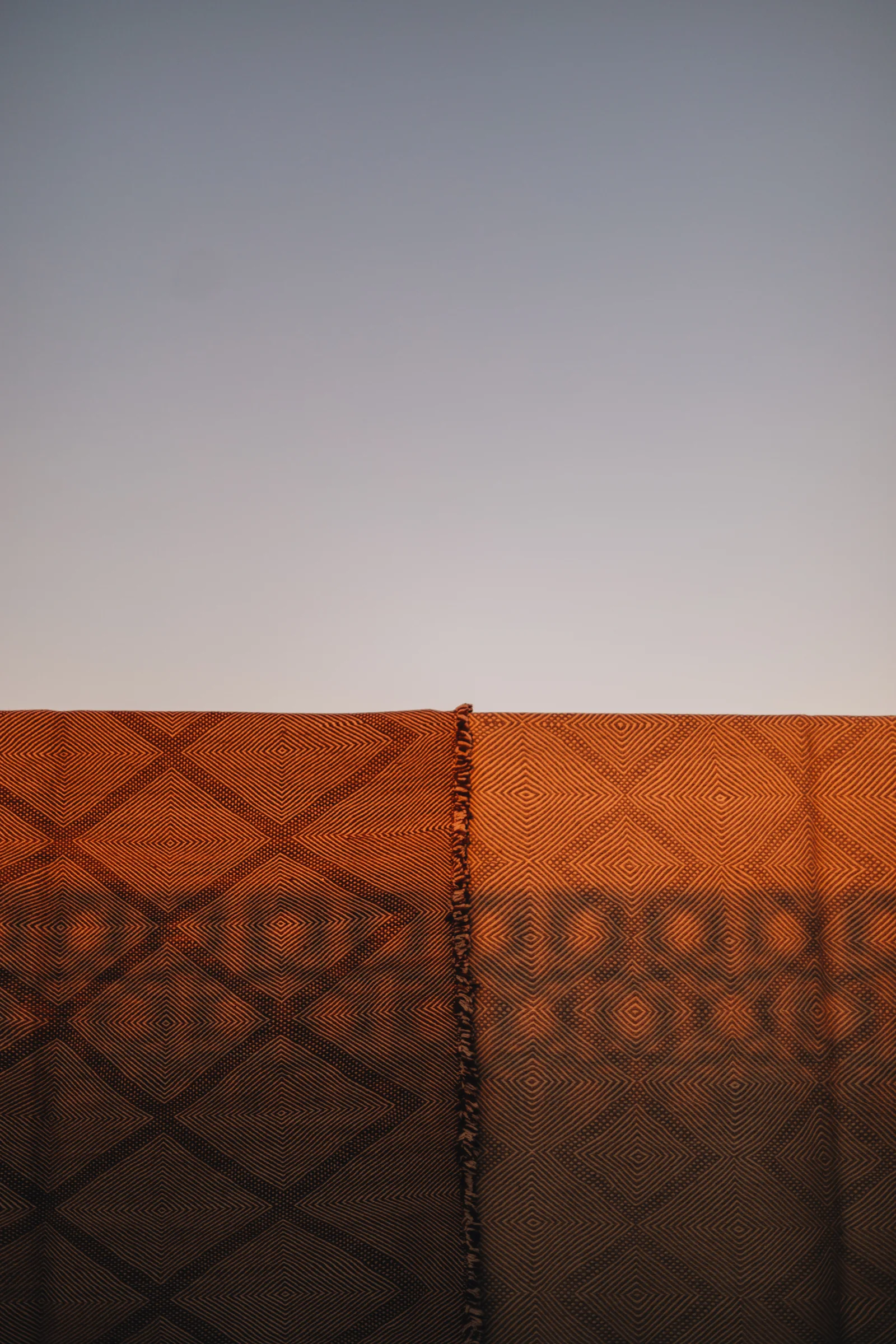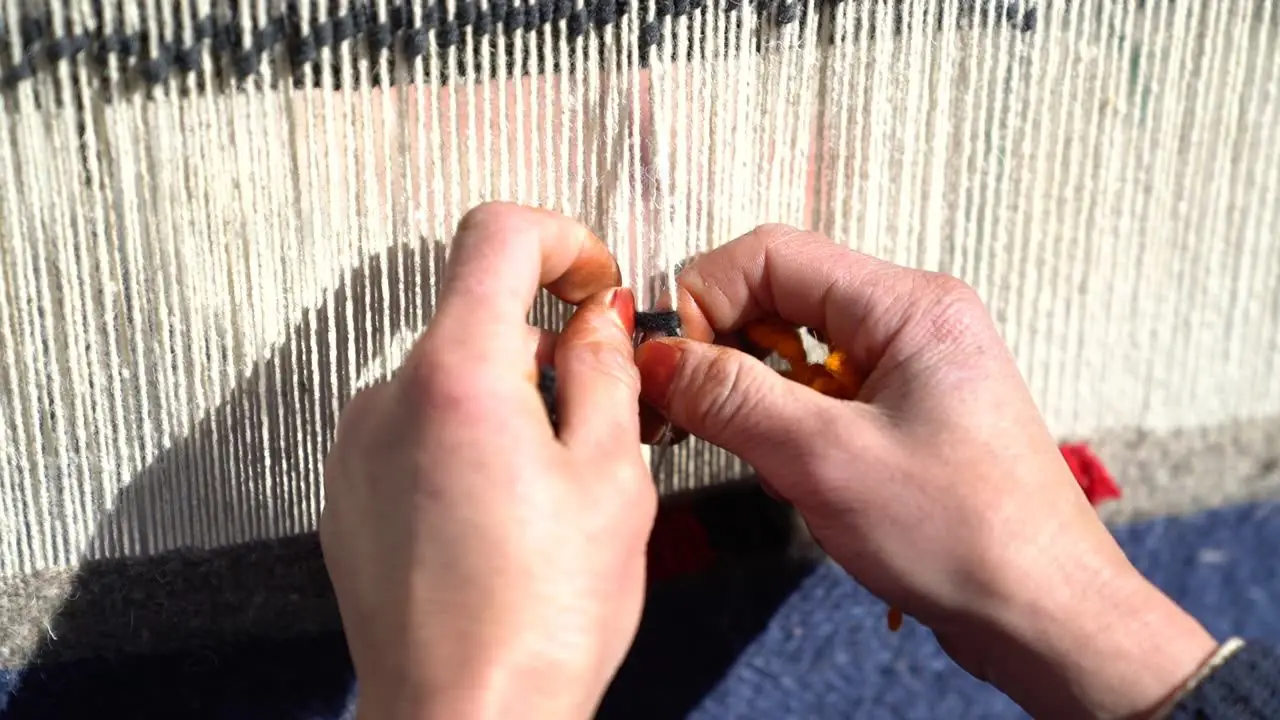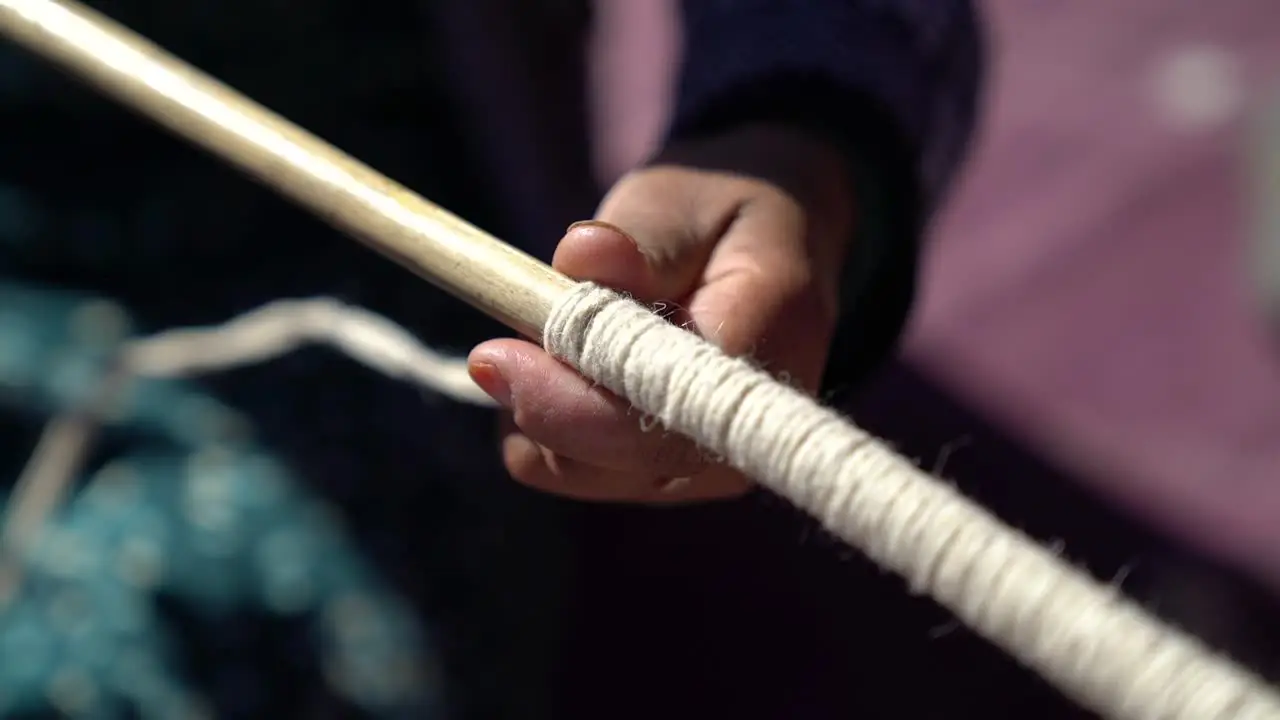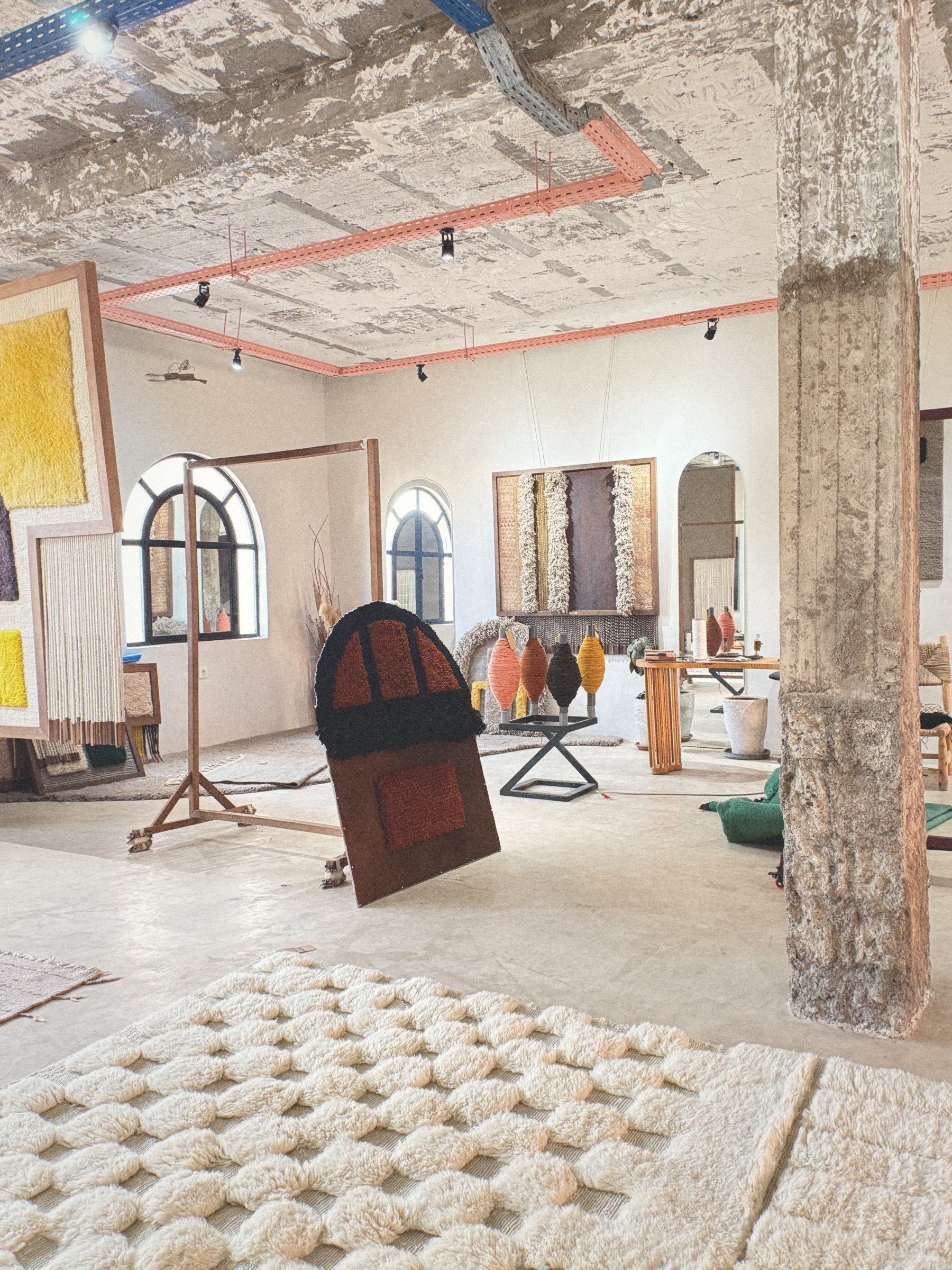
Moroccan craftsmanship covers dozens of trades: weaving, pottery, basketry, leather, wood, metalwork, embroidery, jewellery, zellige, tadelakt. It makes everyday objects as well as decorative pieces, and after agriculture it remains one of the country’s largest employers.
The richness of crafts in Morocco
The Amazigh, the earliest known inhabitants of Morocco, already worked wool, clay, iron and silver. With the arrival of Islam, then of the Andalusians, other skills followed: copper, carved and painted wood, zellige, glazed ceramics. Traditional Moroccan craft was born from this meeting of Amazigh, Arab and Hispano-Moorish traditions.
Two broad families are often distinguished. Rural crafts, carried by villages and tribes: rugs, weavings, hand-built pottery, basketry, silver jewellery. Urban crafts, organised in guilds and quarters in the medinas: ceramics, leather, metalwork, embroidery, wood.
The craft sectors
The sector divides into trades: rugs and weaving, pottery and ceramics, leather, copper and brass, wrought iron, wood and furniture, basketry, jewellery, embroidery. Add the trades of traditional architecture (zellige, carved plaster, painted wood, tadelakt) and local produce: argan oil, rose water, black soap, saffron.
Most of these objects are made by hand, with simple tools. Workshops of the same trade often share the same street, and every city has its specialities.
The north: Tetouan, Tangier, Rabat, Salé
Tetouan carries the Andalusian legacy: painted and varnished wood, pottery with simple geometric patterns in red, yellow, blue and green, zellige.
Tangier is known for the invention of its potters, who borrow forms from other cities and add floral decoration.
Rabat gave its name to the rbati rug, an urban knotted rug with a red ground. Rabat embroidery is also well known.
Salé, across the river, makes sober ceramics with muted colours and incised outlines. Basketry matters here too, in wicker, rattan and rush, as does a monochrome embroidery.
In Casablanca, the industrial capital, the Mediouna rugs, close to those of Rabat, have their own reputation.
Fez and Meknes, the imperial cities
Fez has one of the richest craft traditions in the country. Its faience, cobalt blue or polychrome on white, is known far beyond Morocco. Fez is also the city of tanneries, metalwork, carved wood and zellige.
Meknes is known for its embroidery, close to that of Fez, for wood carving and for damascening: silver wire inlaid into iron.
Between Fez and Midelt, Azrou has a cooperative known for cedar work and for Middle Atlas rugs, often patterned with diamonds, bands and checks.
Marrakesh
Marrakesh gathers almost every trade in the country. It is known for leather: the medina tanneries still work, and hides were traditionally dyed with saffron, poppy or indigo. Babouches, poufs and bags come out of them. The city is also known for metalwork, pierced lanterns, tadelakt, ceramics and dwarf palm (doum) basketry. Rugs from the region, such as those of Chichaoua, are known for their red grounds.
The coast
Safi is one of the great pottery towns of Morocco, with polychrome ceramics close to those of Fez.
Essaouira is the town of thuya marquetry, inlaid with lemonwood, ebony, mother-of-pearl or metal wire. The Romans already prized tables made of thuya wood from Mauretania.
Around Agadir, Taroudant and Tiznit work silver: chased jewellery, lost-wax castings, and the large fibulae Tiznit is known for.
At the edge of the desert
Around Ouarzazate, the Aït Ouaouzguite tribes weave light rugs with geometric patterns and bold colours.
Near Zagora, Tamegroute makes pottery with an irregular, glossy green glaze, recognisable at a glance.
Crafts in architecture
Moroccan architecture calls on many trades: zellige, cement tiles, bejmat (small terracotta bricks), carved plaster, painted wood (zouaq), mashrabiya. Tadelakt, a Marrakesh lime plaster polished with a stone and sealed with black soap, is now sought after for bathrooms around the world. Rammed earth, mixed with straw, is still used in the south.
Moroccan crafts in contemporary design
Beni Ouarain rugs, handira, kilims, ceramics, beldi glass, basketry, brass lighting: modern Moroccan craft has found its place in contemporary interiors. Makers adapt forms, colours and sizes without changing the gestures.
Local produce
Craft reaches cosmetics and food too: argan oil, rose water from Kelaat M’Gouna, olive-based black soap, rhassoul (a washing clay), saffron from Taliouine, the spices of the herbalists.
Three crafts in detail: patterns and signs in Berber crafts, vegetable silk (sabra) and the handira.
Tribaliste is a design studio in Marrakesh; its rugs are made in Morocco. How they are made is on the Craftsmanship page.