Basketry, called “tassalat” in Morocco, is one of the oldest known crafts. Baskets, totes, trays, hats, placemats, furniture: in the souks and medina streets it is everywhere. The gestures have changed little; the objects follow their time.
In Morocco the trade is mostly male for pieces that need strength, such as furniture or rigid stems; women weave too, especially palm fibre.
The materials
Moroccan basket makers work supple or rigid plants, gathered in spring, dried on flat roofs over the summer and woven through the winter. Once dry, they are split into rods, strips or cords.
Wicker
Willow for wicker is grown in Morocco. It is tended from April to August and cut between December and February, often still with a billhook. The rods are bundled, soaked at one end to ease peeling, stripped by hand, then sorted by length. Cooperatives prepare the wicker and supply the makers.
Reed
Reed grows around Marrakesh, Fez and Meknes. Long used for packaging, it now makes trivets, small baskets, screens and fencing rolls. It must be cleaned, scraped and stripped of leaves first; woven together, the stems also make insulating panels.
Rush
Fine rush, “smaar”, grows around Essaouira and Marrakesh; thick rush, “g’dim”, comes mostly from the Essaouira region. It makes tajine-shaped baskets, containers and trivets.
Rattan
Morocco does not grow rattan: it is imported, mainly from Southeast Asia. Both supple and stiff, it tires fingers and wrists; makers train on small objects before moving to furniture, which needs perfectly even weaving.
Palm leaves
Trays, baskets, mats, weaving over wrought iron: palm leaf is the great material of Moroccan basketry. It mostly comes from the dwarf palm of mountains and plains, the doum (Chamaerops humilis), not to be confused with the African doum palm of the same name. The leaves are cut into thin strips, twisted into a cord called “chrit”, then woven. In Marrakesh, the “marrakchia” basket is palm leaf, as are the large saddle baskets carried by donkeys.
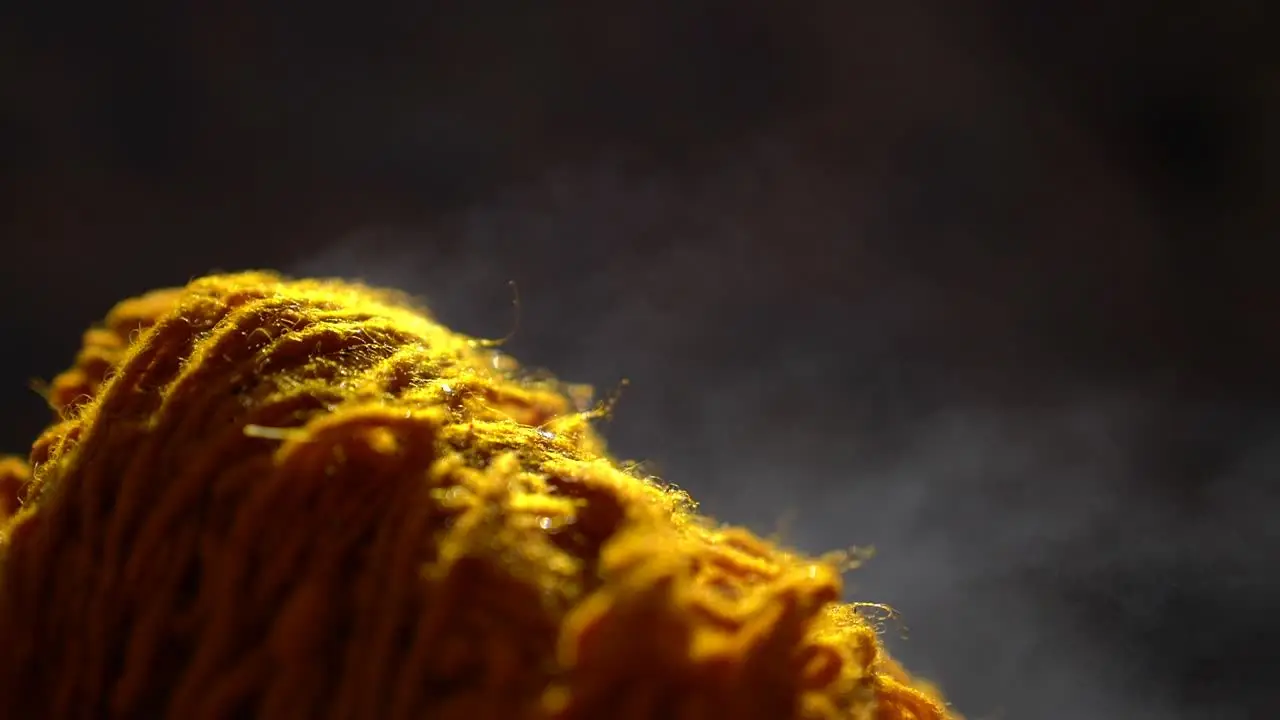
Some pieces are dyed with natural pigments such as saffron.
Weaving techniques
Three techniques dominate, all done by hand.
Plain-woven
The principle of weaving: strips or rods pass over and under uprights, themselves palm leaflets or cords, as the weft passes between warp threads on a loom. Combined with plain or twill weaves, it gives chevrons, crossed lines and openwork.
Coiled and sewn
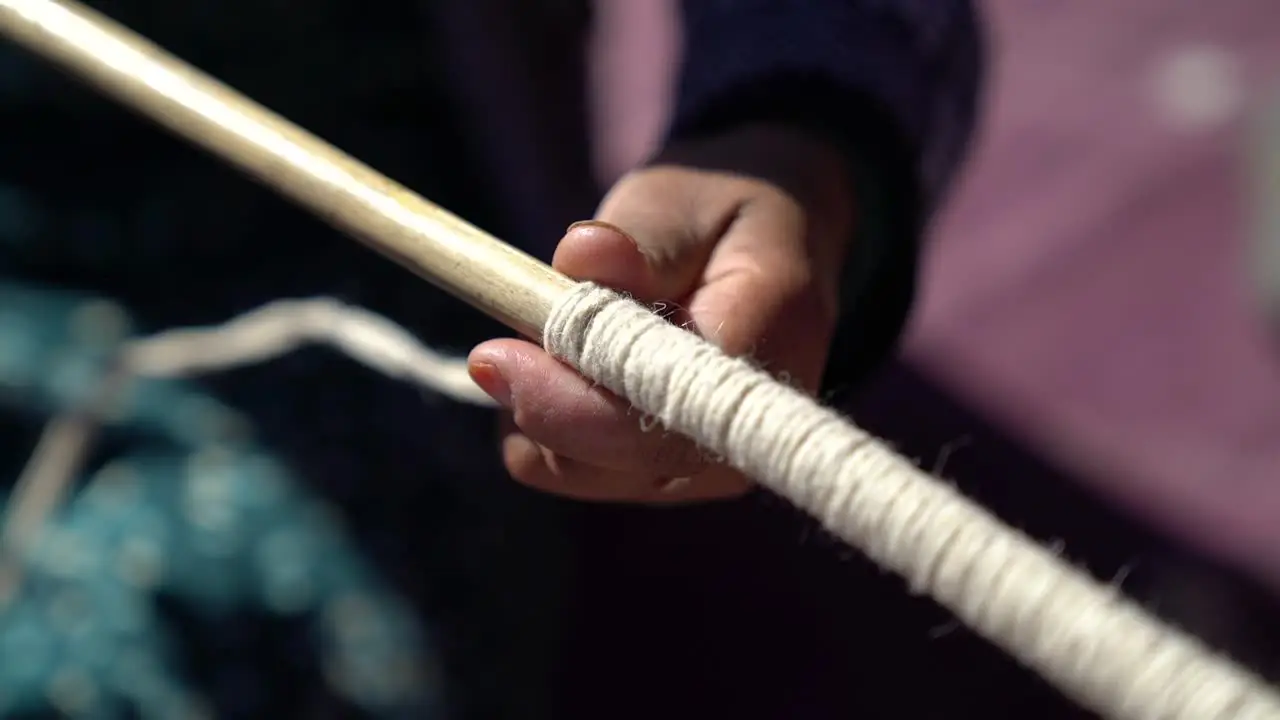
The piece grows from the centre. A bundle of fibres, often fine stems from the date palm, is wound into a spiral and sewn round after round into a basket or bowl. Decoration comes from how the strands cross, and can add leather, fabric or grass.
Corded
Materials are twisted or plaited. This method often uses the stiffest fibres and needs strength; it can take strips of leather.
A matter of regions and hands
Saharan oases and remote villages know all three techniques; patterns change from region to region and from hand to hand. Quality shows in even weaving, strength and finish.
Basketry shares with ceramics the same economy of means: a local material, a repeated gesture. Read also Moroccan and Berber pottery and vegetable silk (sabra). The materials the studio uses are on the Materials page.