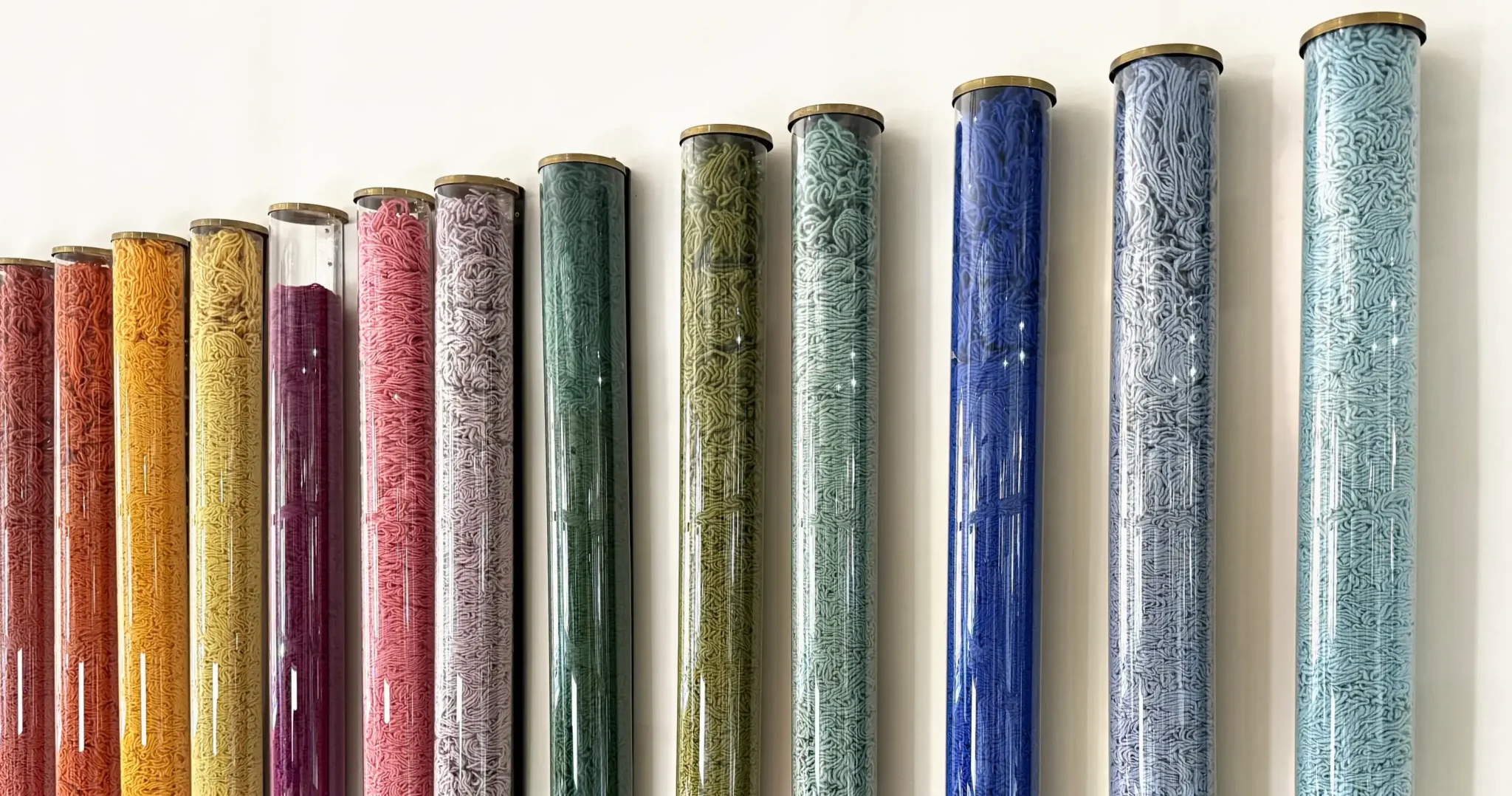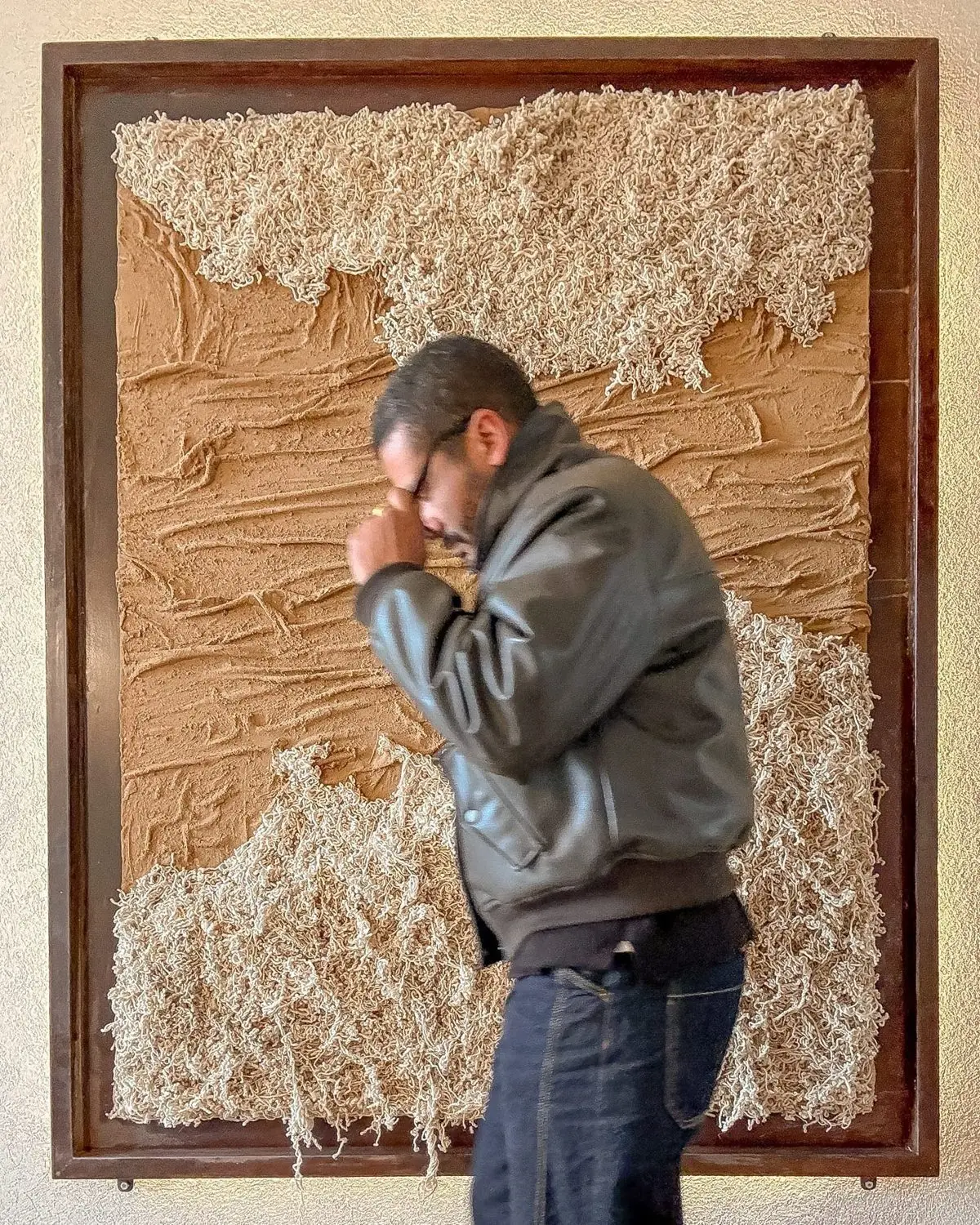
Sabra has the sheen of silk without being silk. It is called vegetable silk, or cactus silk when the fibre comes from the agave. In Morocco it trims traditional clothing, cushions, bolsters, bedspreads, hangings, tassels and braids; in Marrakesh it shines in every souk.
What is sabra, or cactus silk?
Sabra is a yarn drawn from the leaves of two plants, aloe and agave. Agave, native to Mexico, is widely grown in Morocco, even on arid land; its fibre gives what is known as cactus silk. The smooth, bright yarn reflects light, which gives sabra fabrics their moiré look, and their name.
How vegetable silk is made
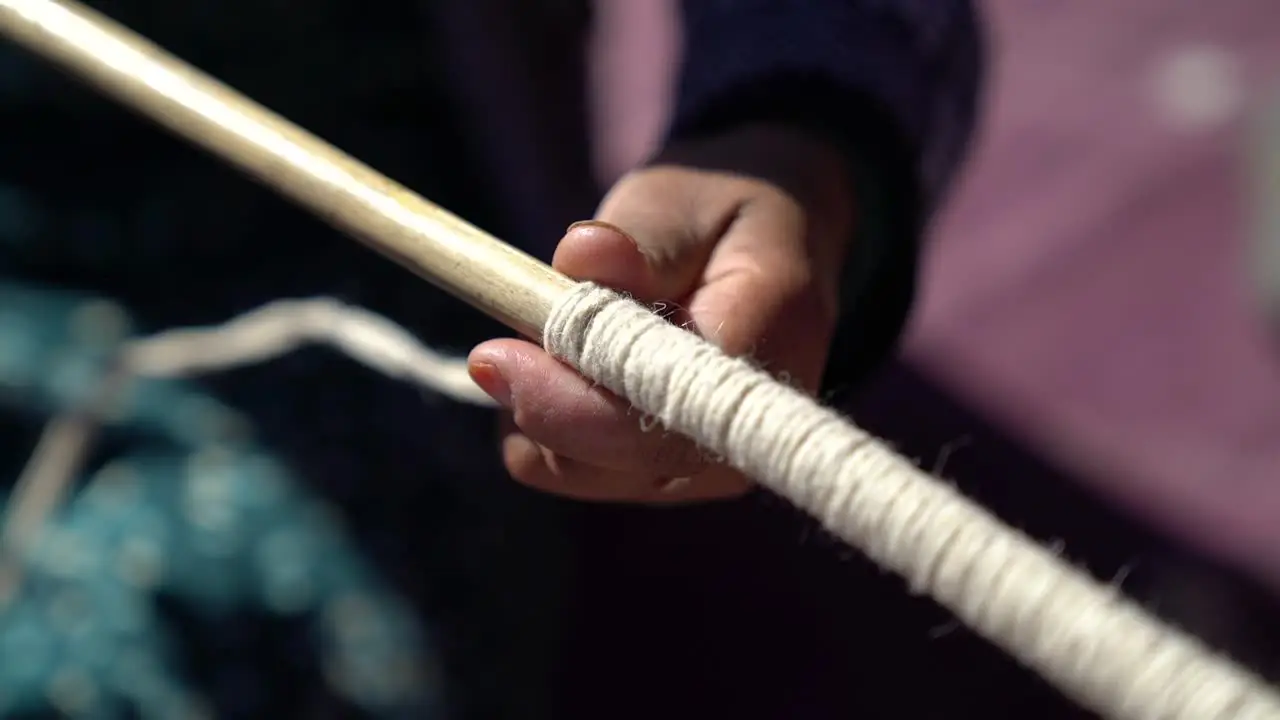
For aloe, the leaves soak in water until the fibres come apart: this is retting, the same process used for linen and hemp. For agave, the leaves are crushed to strip away the green flesh, leaving whitish fibres that are separated, washed and combed.
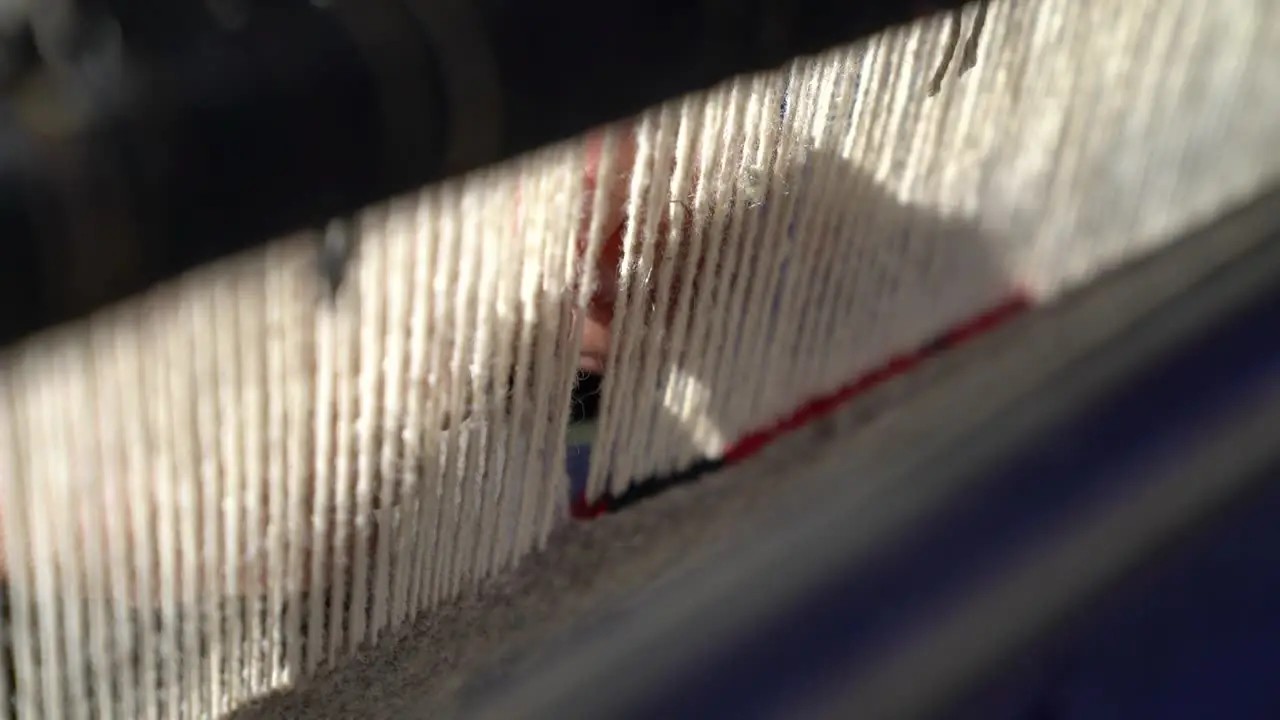
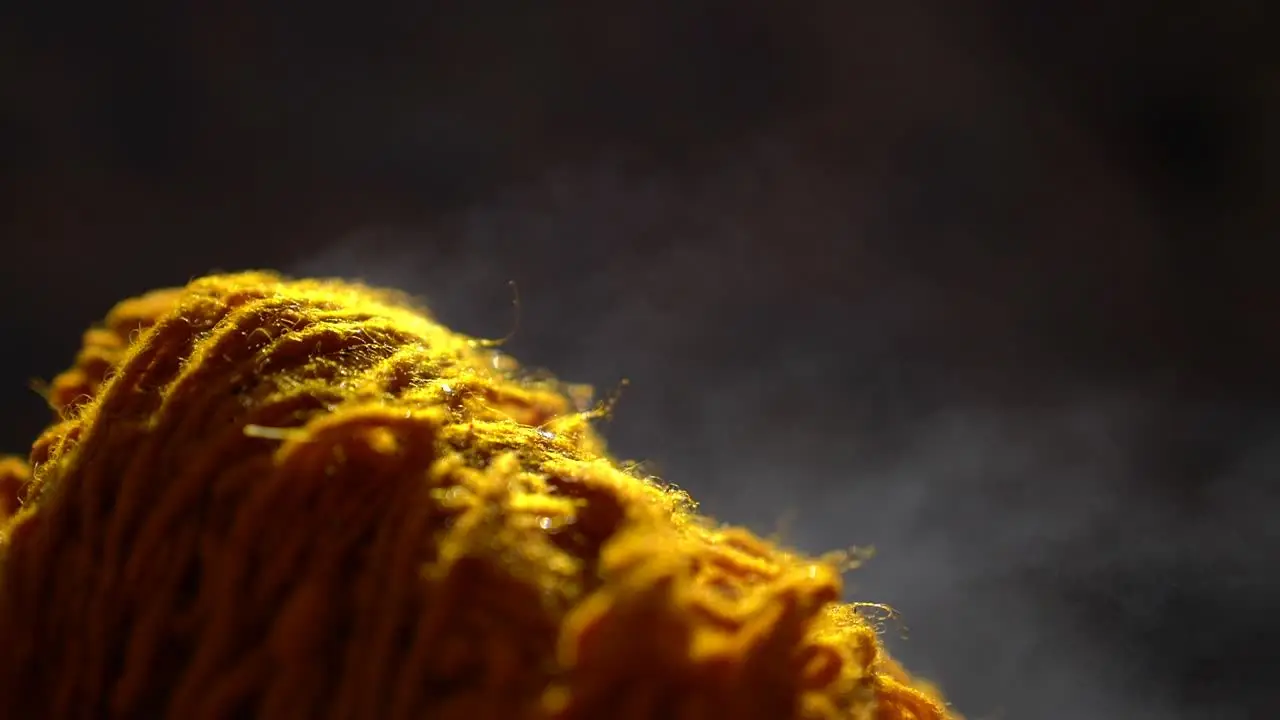
The fibres dry in the sun for a few days, then are spun. The yarn is dyed, then woven on traditional looms, braided, twisted or embroidered. Men and women both work sabra, entirely by hand; Moroccan trimming makers, highly regarded, also supply decorators and fashion houses.
Rugs, cushions, bolsters and hangings
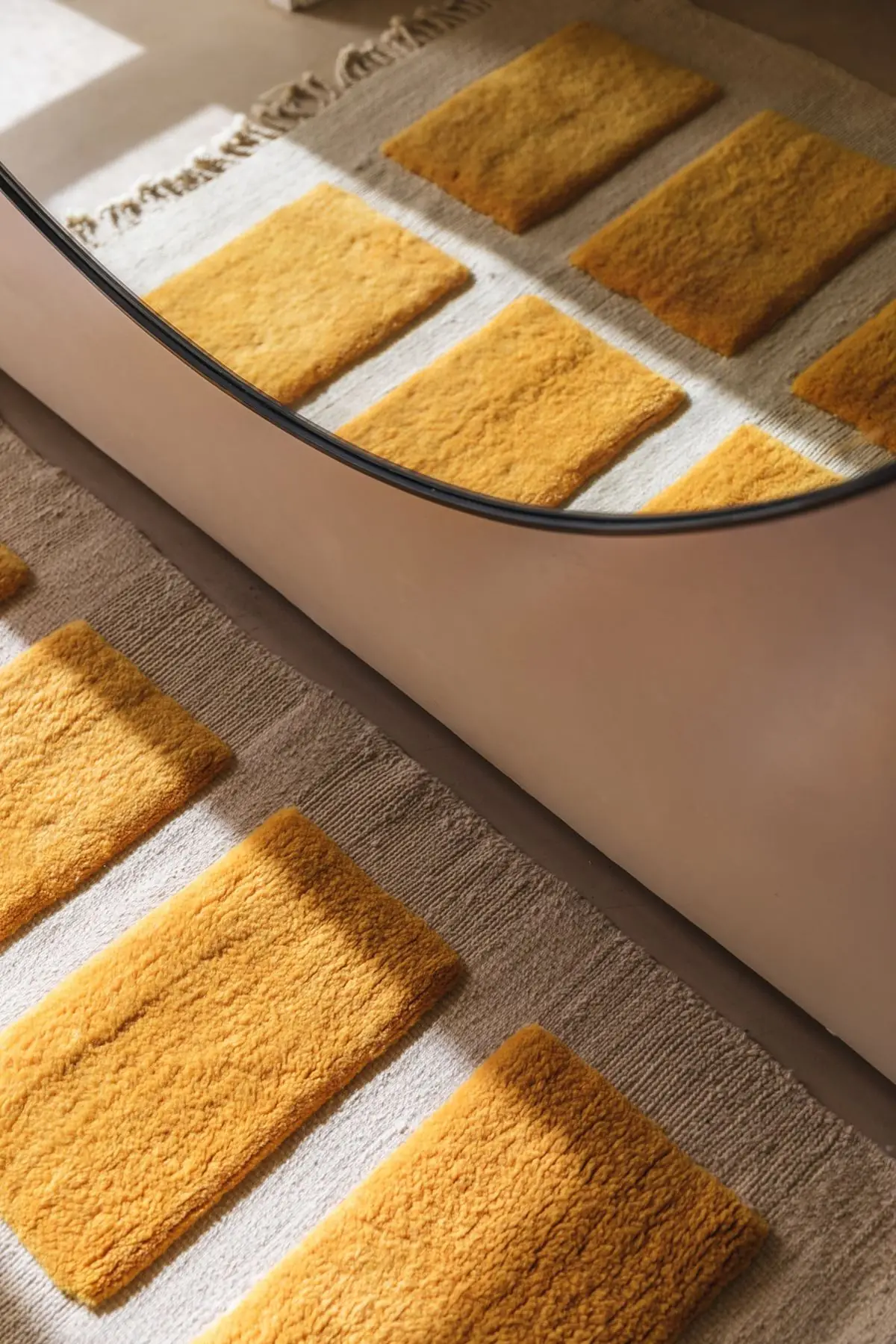
Sabra is woven alone or blended with cotton and wool. It makes rugs, cushion and bolster covers, bedspreads, throws, tablecloths, bags, stoles and babouches. For hangings and curtains it is often woven in wide horizontal bands, alternately matte and shiny. Riads and hotels use it widely for the light it brings to a room.
Its qualities, and its limits
A sabra fabric is soft, supple, slightly elastic and hardly creases. It dislikes sun, which fades its colours, heat and water: keep it indoors, spot-clean rather than wash it, and send it to a dry cleaner for a full clean.
How to recognise real sabra
For a long time, vegetable silk was made only from aloe or agave fibre. Today, much of what is sold as sabra, in the souks and online, is viscose: a regenerated cellulose fibre, also shiny, often blended with wool or cotton. True agave fibre is rarer, coarser to the first touch, and its irregularities show. Always ask for the exact composition.
Read also: the handira, a wedding blanket, the Azilal rug and the Beni Ouarain. The materials used by the studio are on the Materials page.